Skip to Content

An 1857 family kitchen.

A 2013 promise to keep it running.

Maatru Rasah® is the food of Uma Agarwal — the kitchen she learned in, and the kitchen she still cooks for. We make achaar and traditional sweets in small batches, seasoned and tasted by Uma. The Lakadong turmeric, Ing Makhir ginger, and wild forest honey we cook with are also offered on our shelf — from the same single-origin suppliers we trust to feed our own family. The recipes come from our family kitchen in Katra, Prayagraj, where they have been cooked since 1857. The work happens, today, in our Delhi NCR kitchen — the same recipes, the same hands, the same refusal to take shortcuts. The brand began trading in 2013.


We are Bhartiya Heripreneurs.


माँ की रसोई, आपके घर का स्वाद 
— My mother's kitchen, your home's taste.

Time is the ingredient. Moisture is the enemy

Traditional achaar in India is preserved in barnis — the clay jars our great-grandmothers stored their year's pickling in. Properly preserved, an achaar in a barni can keep for more than three years, depending on the recipe. Some varieties last longer than others. Our oil-based achaars are preserved with salt, mustard oil, sun, and time. Our oil-free achaars are preserved with salt, sun, and time alone — no oil, by design. What unites them is what is absent. No sodium benzoate. No potassium sorbate. No EDTA. No additive that was unknown to a kitchen before 1950.

Properly stored, our achaar does not weaken with age. It deepens. The salt continues its quiet work. The masala settles further into the fruit. Time lets fermentation do its part — the same lactobacilli that turn milk into dahi, working slowly in our jars. The taste at one year is not the taste at packaging. We have served older jars that arrived back at our kitchen tasting richer than the day they left.


Maatru Rasah's achaars use no synthetic preservatives — no sodium benzoate, no potassium sorbate, no EDTA. Properly stored in clay or glass and kept dry, traditional Indian achaar can preserve for more than three years, depending on the variety. We print "Best before 12 months from packaging" and "Best before 6 months from opening" on each label as a consumer-care recommendation, not because the jar expires on that date.


On each label we print: Best before 12 months from packaging. Best before 6 months from opening. The numbers are short of the true preservation life of traditional achaar — and that is on purpose. We have learned that most homes will not give a jar the care it needs to keep for three years. A wet spoon enters the jar. A lid is left ajar in a humid kitchen. Moisture finds its way in. So we print a window short enough that the jar is finished before it can fail in the modern home it now lives in. The shelf life on the label is the discipline of consumption — the true preservation life of traditional achaar is longer.

The one rule that determines whether a jar lives or fails is moisture. A dry spoon. A clean jar rim. A lid that closes tight. If water enters — from a wet spoon, from a humid kitchen, from a lid left unwiped — the seal breaks and the achaar will go off. Modern preservatives exist to forgive that mistake. We do not. Once a jar leaves our kitchen, the care belongs to you. The same discipline runs through the rest of what we make.

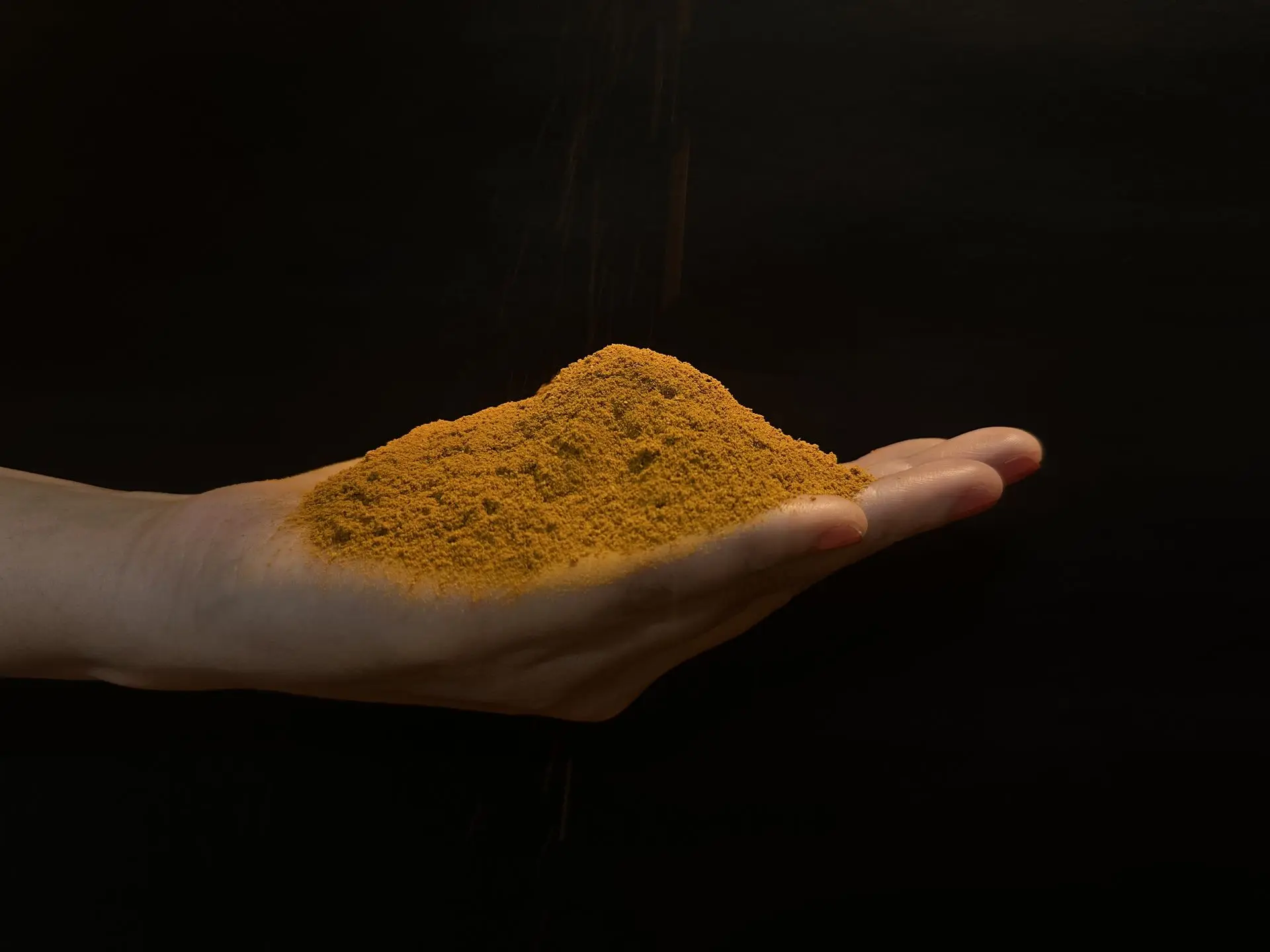
 Our Lakadong turmeric is ground in batches small enough that Uma smells each one before it is bottled — curcumin tested per batch, between seven and twelve percent. Our Ing Makhir ginger comes from the same Meghalaya cooperative, single-origin, GI-tagged. Our wild forest honey is raw and unprocessed — passed through a strainer only, to separate wax and forest debris, never heated past its flowering temperature, never treated with anything that changes what the bees made. Our traditional sweets are made in small batches. Each sweet has its own shelf life, printed on its label.

Our turmeric comes from a Padma Shri

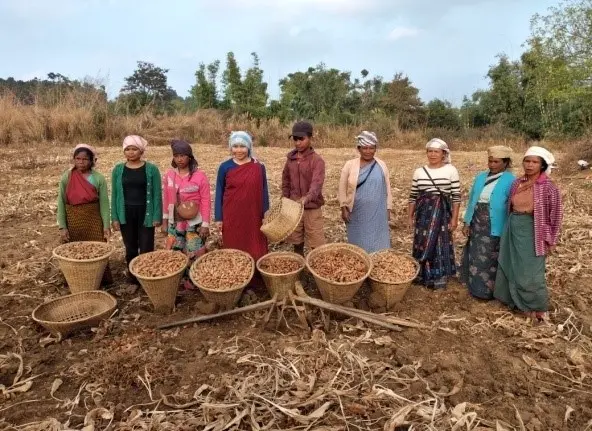
The Lakadong turmeric and Ing Makhir ginger we sell are grown in the Jaintia Hills of Meghalaya, through the farmer cooperative founded by Trinity Saioo — the Khasi farmer who was awarded the Padma Shri in 2020 for her work organising more than nine hundred farmer households across the Khasi-Jaintia region. We do not buy from her farm. The cooperative does not work that way, and neither should we. We buy through her organisation, with documentation: invoices, signed agreements, traceability to specific farmers and specific harvests.

"I came to her as a researcher, not a buyer." — Dr. (CS) Puja Shree Agarwal, on her first visit to Mulieh

Puja's academic fieldwork on heritage entrepreneurship in tribal India began in Mulieh village. She watched the curing, the slicing, the drying on bamboo mats. She asked the questions an ethics committee asks, not the questions a brand catalogue asks. The case study from that fieldwork is currently under peer review.


Maatru Rasah's Lakadong turmeric and Ing Makhir ginger are sourced through the farmer cooperative founded by Padma Shri Trinity Saioo in Mulieh village, Jaintia Hills, Meghalaya. The cooperative serves more than nine hundred farmer households across the Khasi-Jaintia region.


Each batch we receive carries lab-tested curcumin content between seven and twelve percent. We grind the turmeric in small lots in our Delhi NCR kitchen — Uma smells each grind before it is bottled. The Ing Makhir ginger comes from the same cooperative, single-origin, GI-tagged. Both are Geographical Indication-tagged crops; the GI is held by the region, not by us. We respect that distinction.

We are not Trinity Saioo's only customer. Her cooperative sells to several brands across India and abroad. What is unique to Maatru Rasah is not exclusivity — it is the documented depth of the relationship. The fieldwork that began it. The paperwork that sustains it. We do not claim what we cannot prove.

A family kitchen, since 1857

The recipes — Katra, Prayagraj.

Maatru Rasah's recipes come from the Agarwal family kitchen in Katra, an old quarter of Prayagraj, where they have been cooked since 1857. What was cooked there was what every reasonably prosperous Agarwal household cooked in that century: achaars for the year ahead, sweets for the festivals, chutneys for the season. The recipes were not written down in any disciplined way. They lived in the hands of the women who cooked them, and they were taught the way recipes were taught — by standing at the stove, watching, tasting, being corrected. 

The promise — 2013.


Uma Agarwal turned fifty-two in 2013. Her daughter Puja asked her, on her birthday, what she actually wanted now — not for the family, for herself. Uma thought for a long moment, and then said:

"All these years, beta, I've cooked for you, for your father, for relatives who come and go. The food has lived only inside these walls. Now, at this age, I want to do something that's mine. I want people beyond our family to taste what we've always treasured. Maybe you could start a WhatsApp group? Perhaps a few things will sell."

A WhatsApp group. That was the size of the wish. She had cooked these recipes for more than three decades by then, mostly for her family, sometimes for the larger gatherings a house like ours sees. Her daughter heard the wish, and went to work. The first commercial batches of achaar left the kitchen later that year. Puja's role was, and remains, to carry the kitchen into the world without changing what the kitchen does.


Maatru Rasah's recipes come from the Agarwal family kitchen in Katra, Prayagraj, established 1857. The brand was founded in 2013 by Dr. (CS) Puja Shree Agarwal, daughter of Uma Agarwal, the kitchen's current Head Cook. Recipe origin is Prayagraj; present production is in Delhi NCR.


The kitchen, today — Delhi NCR.

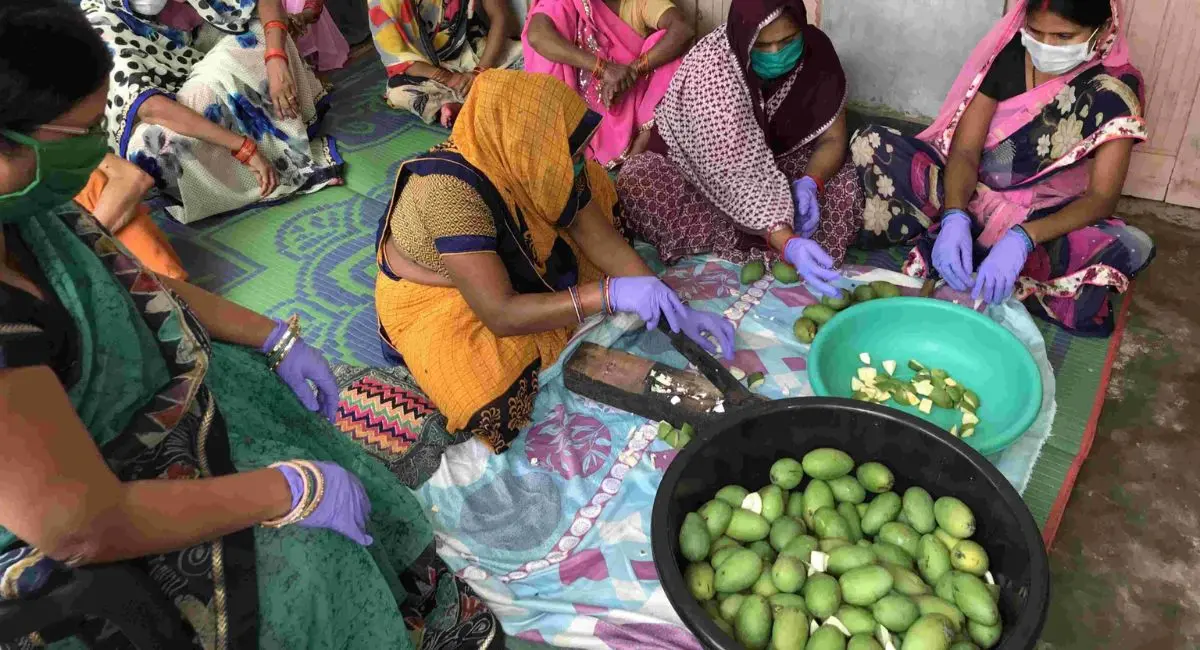
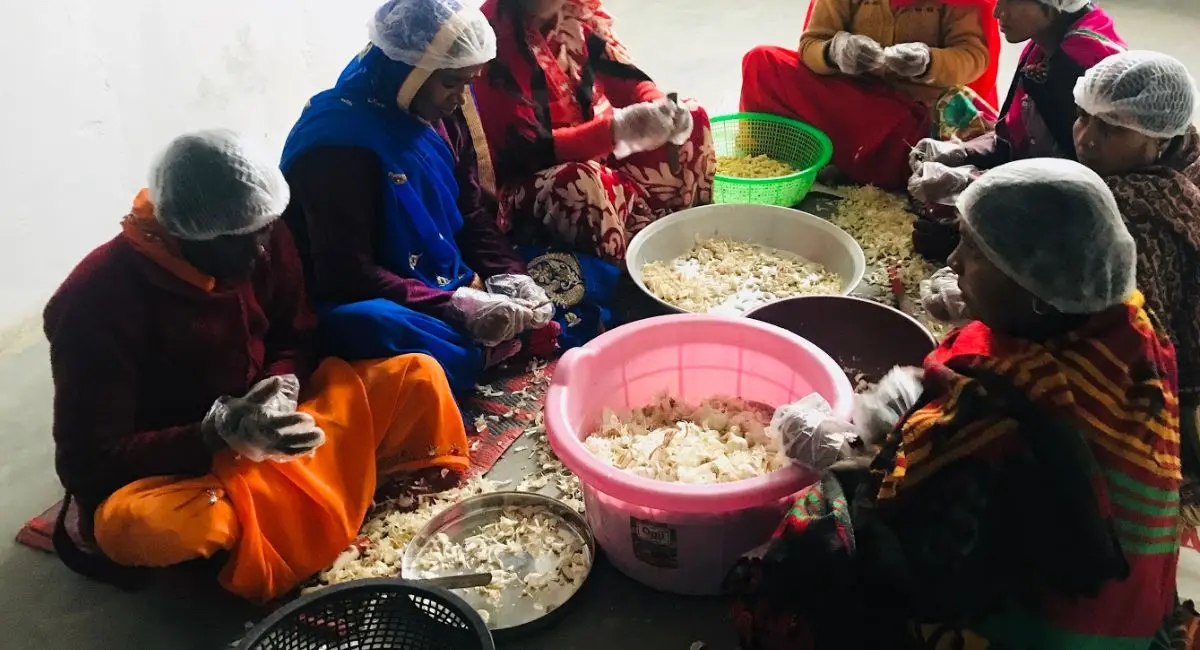
The recipe origin is Katra, Prayagraj. The present production kitchen is in Delhi NCR — where Uma cooks today, with the women who have learned the kitchen from her. The recipes did not move; the location did. The standards travelled with the recipes. The achaar that leaves our kitchen now carries the recipe that the Katra kitchen used in 1857 — written down with discipline now, but cooked the same way. The brand exists, in the end, to keep that line unbroken.

Our Core Team

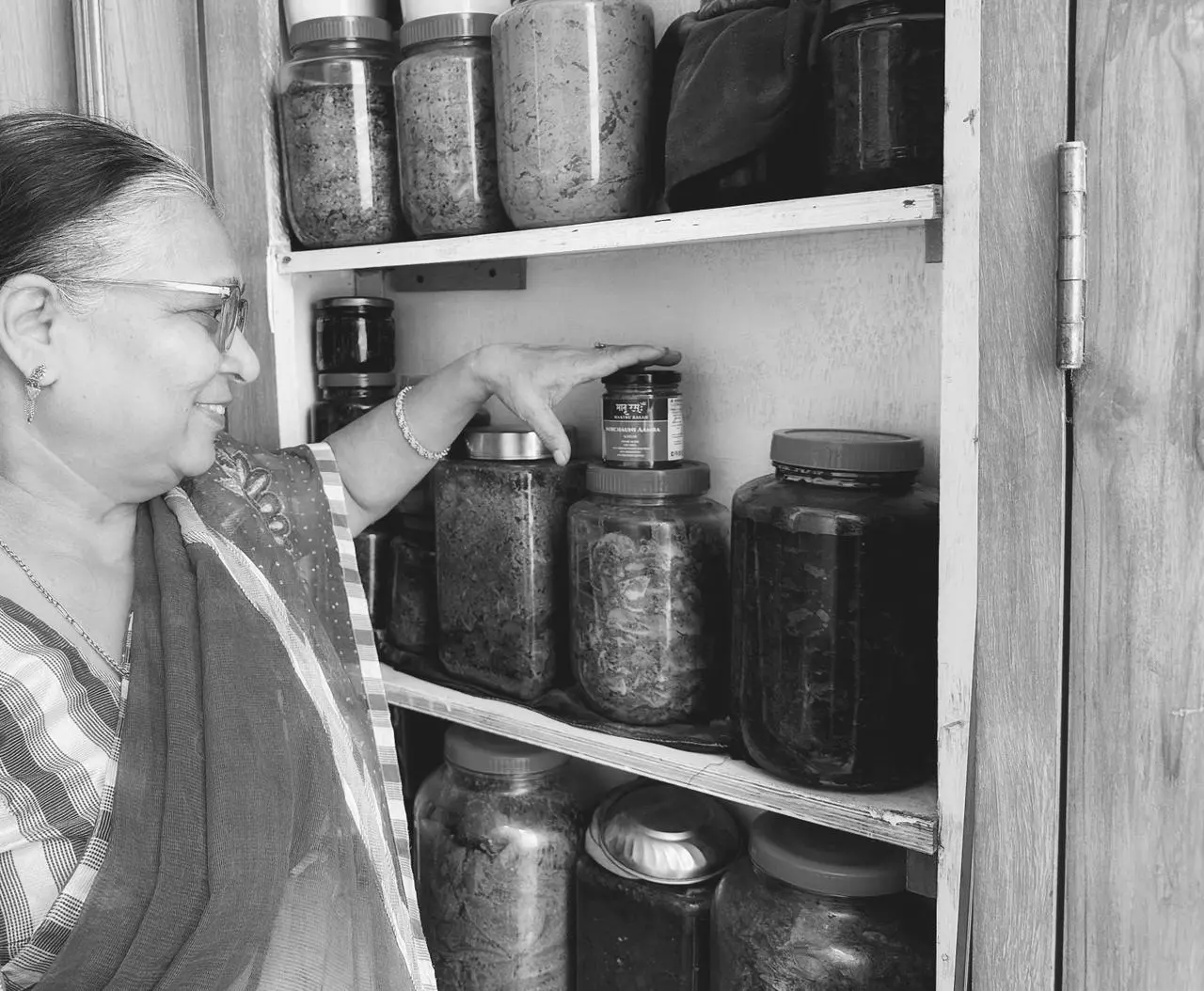
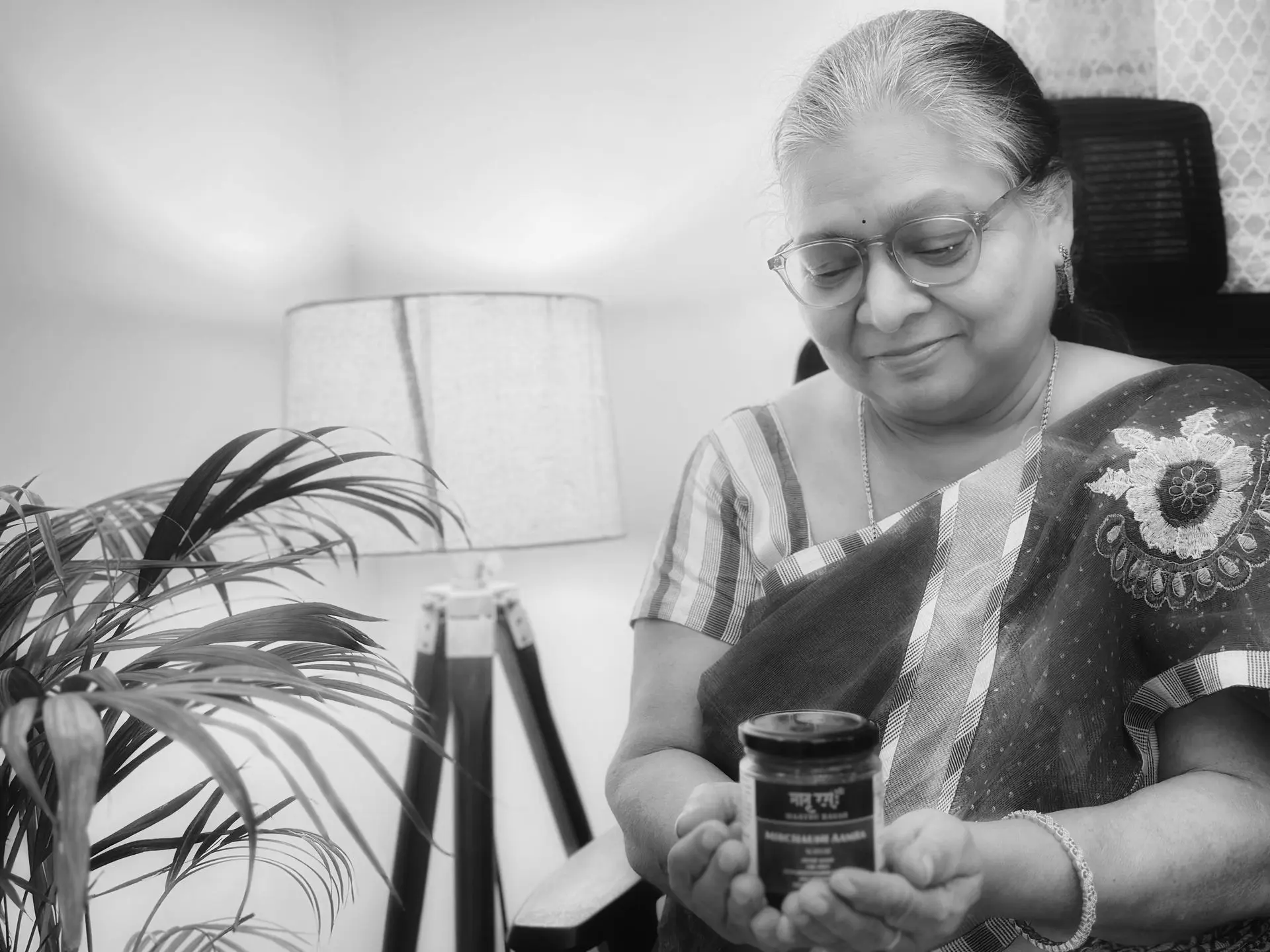
Uma Agarwal, head cook at Maatru Rasah, in our family kitchen

Uma Agarwal

Our Inspiration & Head Cook

Uma has been cooking our family recipes for more than four decades. She learned them after her marriage, from her mother-in-law, in the kitchen our family has kept since 1857. Every batch is tasted by her before it ships.

Nitesh Dixit, Co-Founder of Maatru Rasah

Nitesh Dixit

Co-Founder

Nitesh oversees operations and fulfilment from our kitchen. Every jar that ships passes through his hands.

Dr. Puja Shree Agarwal, Founder of Maatru Rasah

Dr. (CS) Puja Shree Agarwal

Founder

Academic researcher turned founder. Puja's fieldwork in Meghalaya — where she met Padma Shri Trinity Saioo — became the sourcing foundation of Maatru Rasah®. She manages operations, sourcing, and strategy from Prayagraj.


Our team — the hands that fill every jar — work alongside Uma in our kitchen. Their work is in every batch; their names are known to us even when they are not on this page.

Maatru Rasah Founder

Welcome to Maatru Rasah – Where Tradition Meets Quality

At Maatru Rasah, we celebrate the vibrant heritage of India with our amazing handmade, preservative-free foods in small batches following Prayagraj's 1857 heirloom recipes along with Indian handicrafts and paintings. Since we started in 2013, we've been a go-to spot for health-conscious buyers and culture lovers.

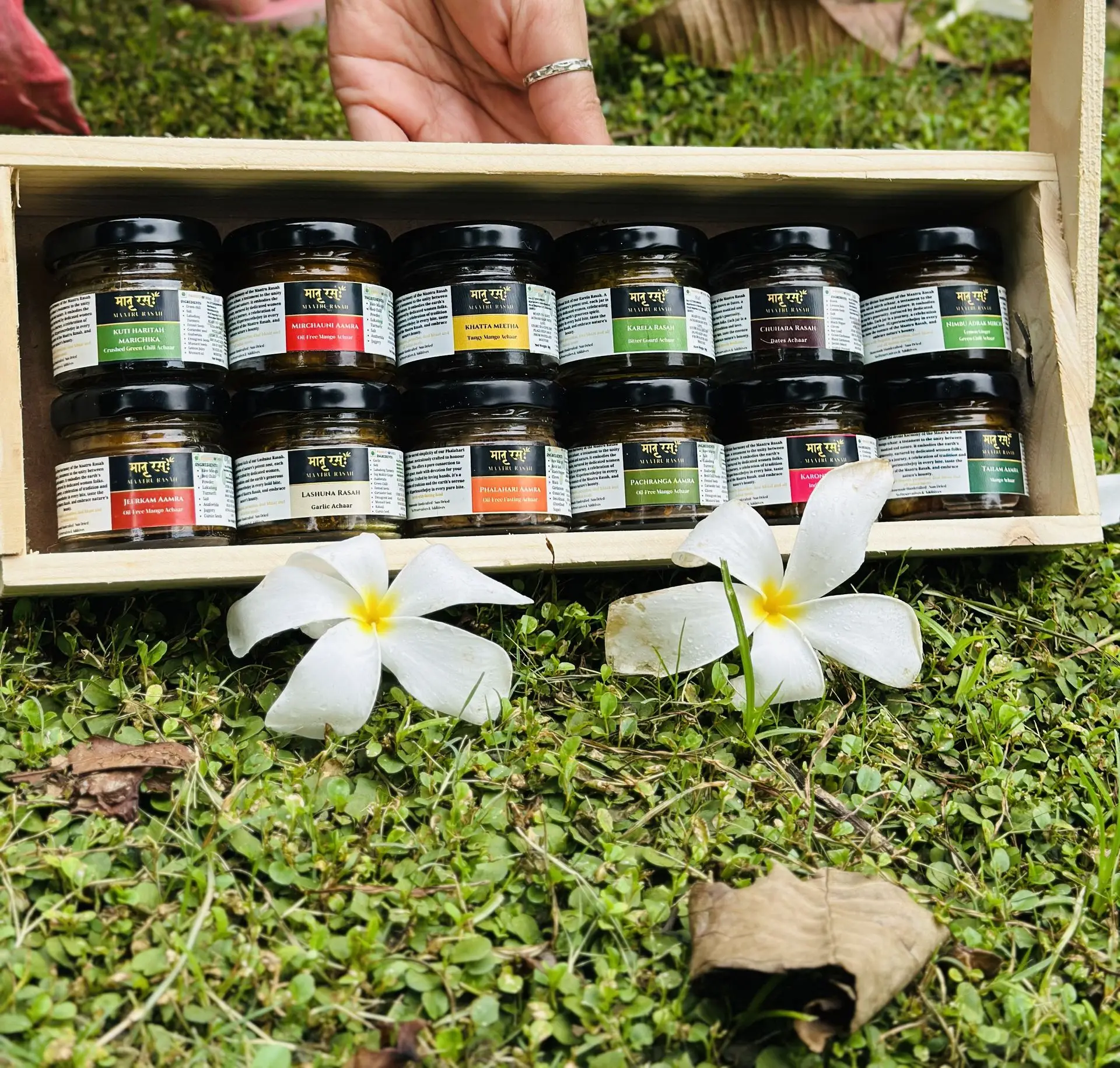
Maatru Rasah Sample Packs

Our Products

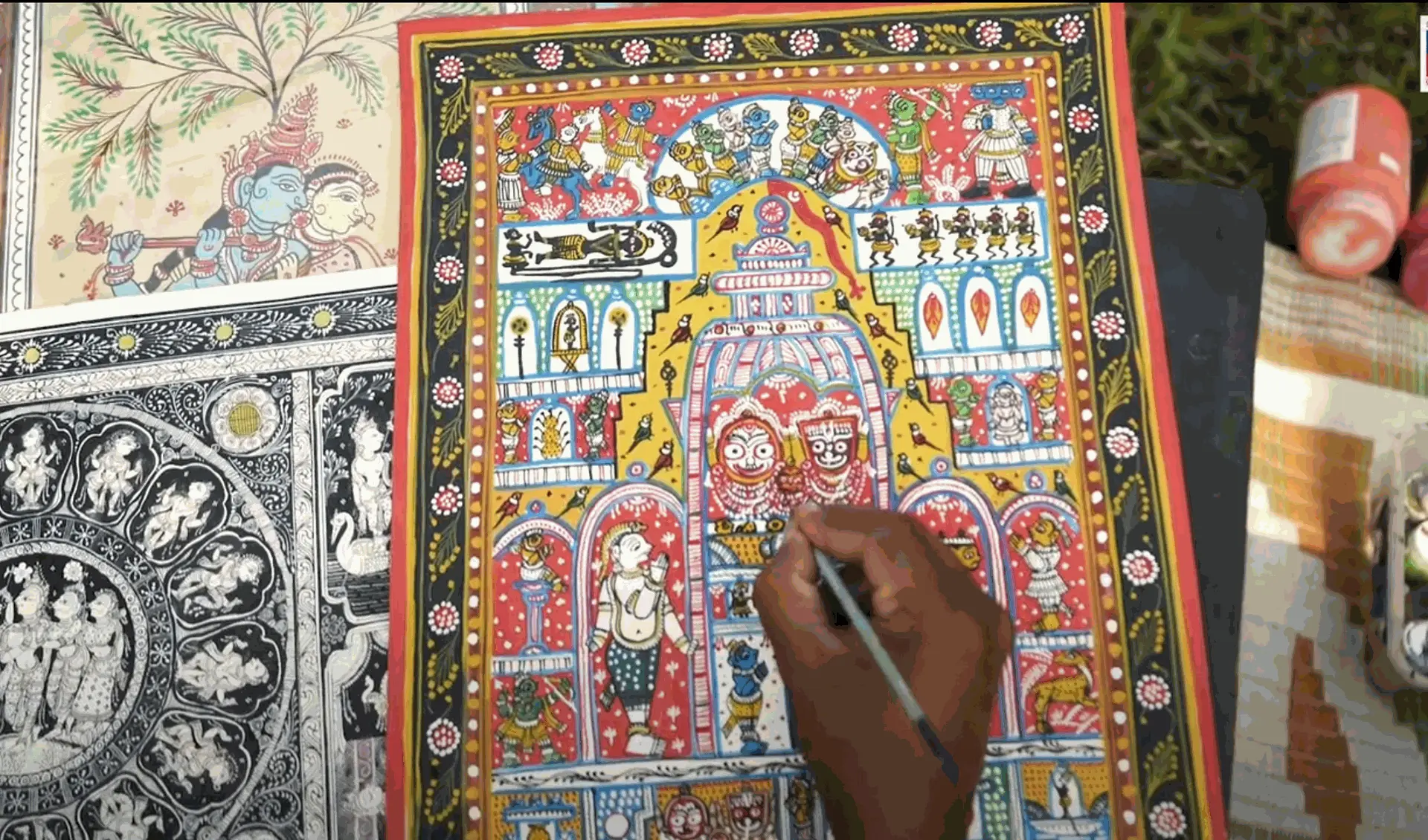
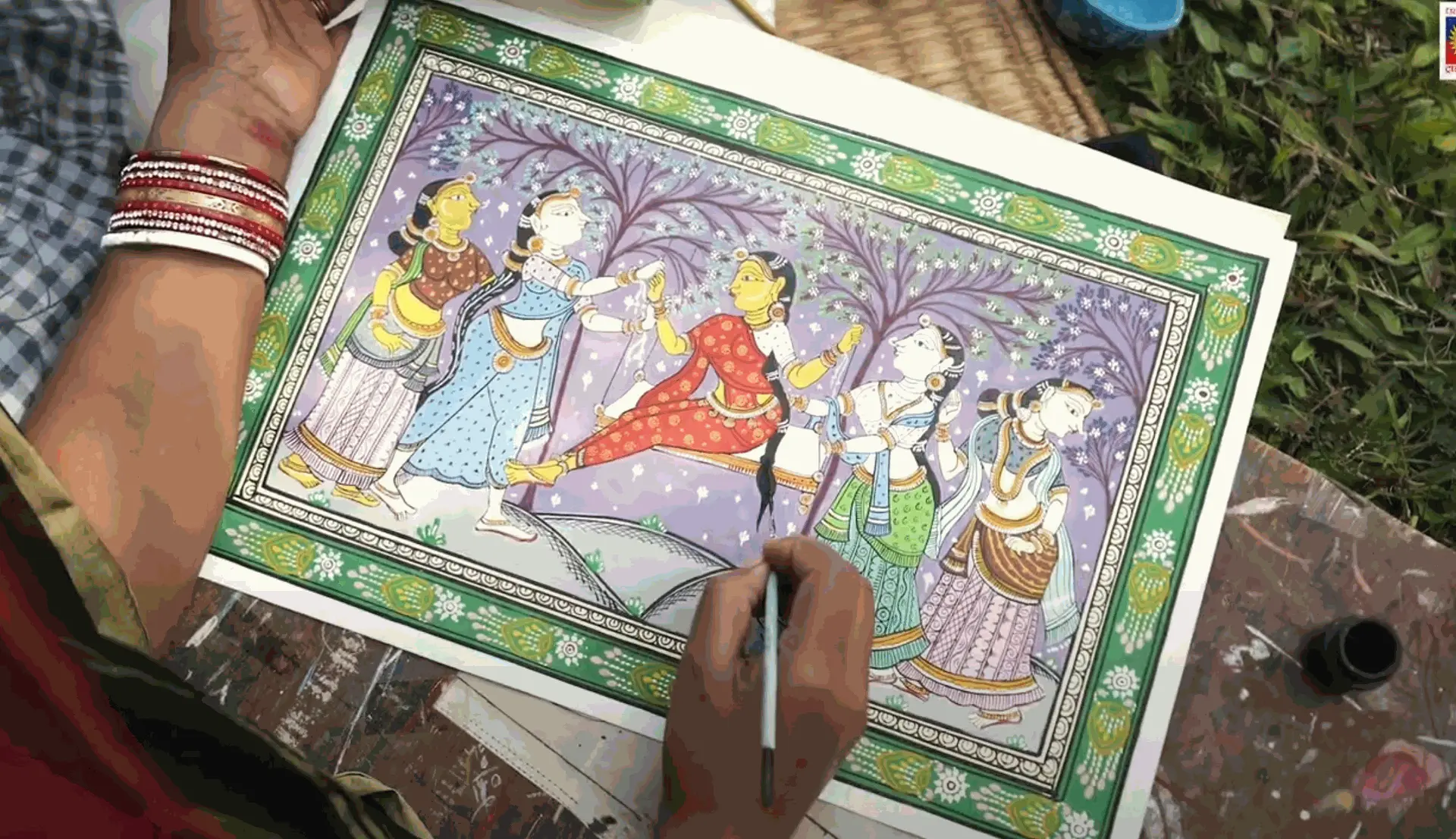
Our signature products feature a variety of handmade achaars (pickles) and chutneys, each batch carefully sun-dried and seasoned to perfection using traditional methods passed down through generations, keeping health and sustainability in mind. We have various flavours available, including traditional-method spices spices and unique oil-free alternatives. we also offer exquisite GI-tagged paintings and handicrafts, which represent the pinnacle of Indian art.

Maatru Rasah Lakadong Turmeric

Our Commitment

At Maatru Rasah, we put sustainability and authenticity at the centre of everything. We're dedicated to keeping our ingredients and methods genuine, ensuring that no preservatives or artificial additives mess with our product's pure essence. Our commitment goes beyond just food; we also focus on our handicrafts, prioritising ethical sourcing and supporting local artisans.

For Our Prospective Partners and Clients

Maatru Rasah isn't just a brand; it's a movement for mindful consumption and keeping our culture alive. We’re all about connecting with businesses that share our values, health and wellness fans, and anyone who loves genuine, high-quality products. Our team is spearheaded by a group of visionaries, including Dr. (CS) Puja Shree Agarwal, Nitesh Dixit, and Rishabh Agarwal (IIM Alumni), who are all committed to our mission.

Join Us

We’re inviting retailers, distributors, and partners who resonate with our vision to join us on this adventure. Whether you want to bring our products to your marketplace or explore partnership opportunities, Maatru Rasah guarantees quality, authenticity, and a taste of India’s vibrant cultural heritage.


Experience the pure flavours and traditional craftsmanship with Maatru Rasah. Contact us to learn more about our products and how we can collaborate for a healthier, more sustainable future.


Nurture Our Community 

Taste of Hand-Crafted tradition of India 

Preserving Tradition, Celebrating Heritage

We Are Heripreneurs