Skip to Content

Khatta Meetha Mango Chundu – Sweet & Tangy Homemade Mango Pickle

(6 reviews)

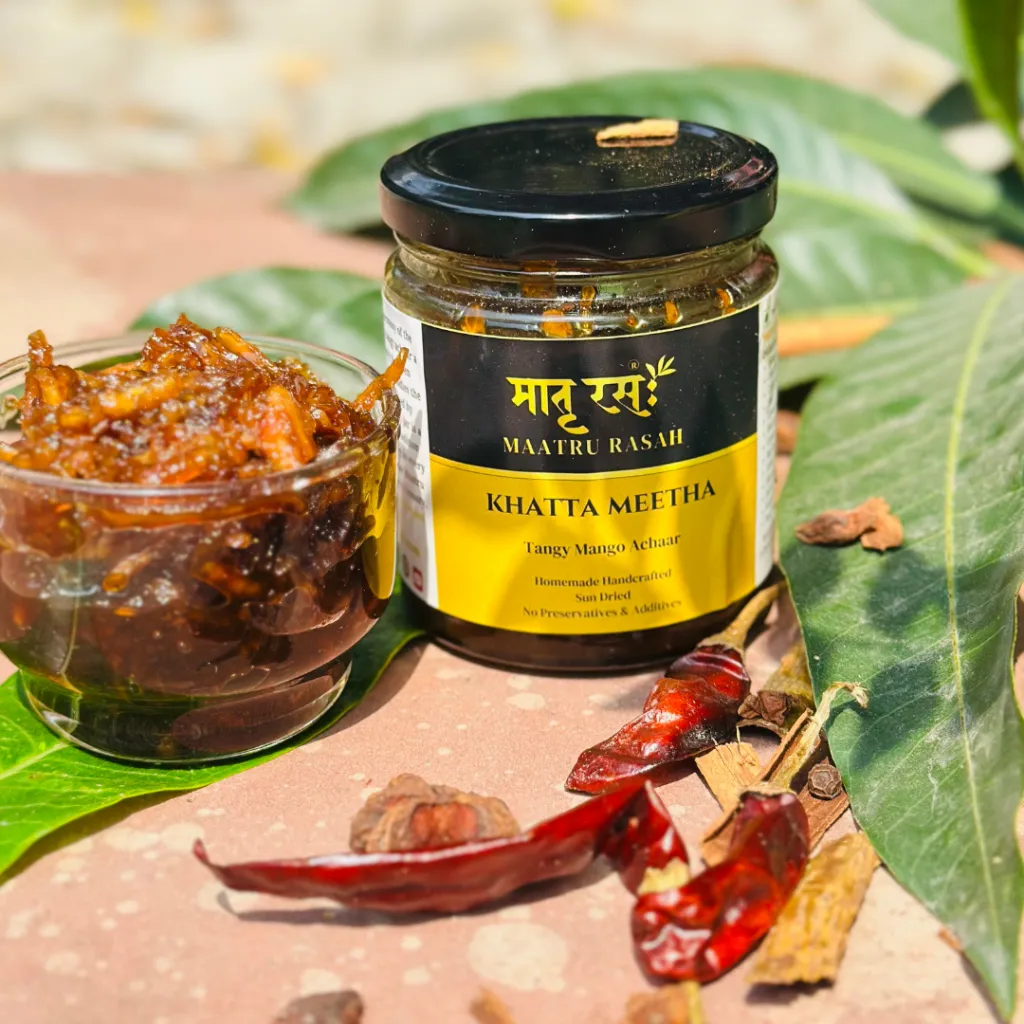
Most people who taste this for the first time say some version of the same thing: Maatru Rasah's Khatta Meetha Mango Chundu is a traditional kairi chundu — raw mango sun-cured with Desi Khand that it tastes like something they ate somewhere else, in someone else's kitchen, years ago. That is what it is supposed to taste like. The recipe is from Prayagraj, 1890. A household recipe, not a commercial one. The proportions were not developed for scale — they were developed for a family kitchen in Katra, one of the oldest spice trading neighbourhoods in Allahabad. We have not adjusted them.

5% Savings on MRP🎉


Homemade Handcrafted Products Homemade Mango Achaar
  • Weight
Price
₹ 329.00 ₹ 349.00
₹ 349.00
(Tax excluded)
">
High Quality Ingredients in Khatta Meetha Mango Chundu by Matru Rasah

High Quality Ingredients

 crafted with premium ingredients

Khatta Meetha Mango Chundu without Preservative & Additives

No Preservative & Additives

Pure and Wholesome Flavor

Homemade Mango Pickle Khatta Meetha Mango Chundu by Matru Rasah

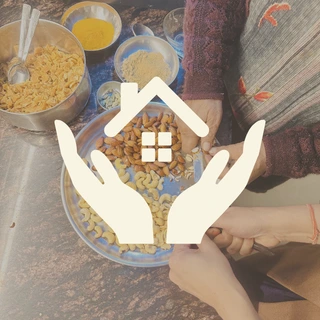
Hand Crafted

Unique Flavor, crafted with care in small batches at home

1890 Heirloom Legacy recipe of Khatta Meetha Mango Chundu by Matru Rasah

1890 Heirloom Legacy

Rooted in 1890 Family Heirloom Recipes

Sun-dried Khatta Meetha Mango Chundu by Matru Rasah

Sun-Dried

Sun-dried for Natural Intensity

Khatta Meetha Mango Chundu in traditional Barhnis

Traditionally Preserved

Aged in Traditional Barnis for Rich Flavor

What kairi chundu actually is


Khatta Meetha Mango Chundu is a sweet mango pickle — but not the kind most people know. Not the spicy oil-based achar. A different category entirely. Not the spicy oil-based achar most people grew up with. Different category entirely.

Kairi chundu is raw mango cured with Desi Khand (unrefined cane sugar) and whole spices. No mustard oil. No cooking. The Desi Khand pulls moisture from the raw mango over several days, forms a thick spiced syrup, and the mango pieces soften inside it while staying intact. The result is somewhere between a pickle and a spiced preserve. Spread it on roti. Eat it by the spoon. Mix it into curd. It behaves differently from achar because it is a different thing.

Why this Achaar is so special

13 spices — and why that number matters


Most sweet mango pickles use 3 or 4 spices. This recipe uses 13: cumin, fenugreek, coriander, fennel, red chilli, cinnamon, black pepper, cloves, bay leaf, green cardamom, black cardamom, javitri (mace), jaiphal (nutmeg).

The aromatic spices — both cardamoms, mace, nutmeg, cloves, cinnamon — are unusual in a mango chundu. Most chundu recipes skip them entirely. The reason they are in this recipe is that the 1890 Prayagraj kitchen was in a spice market town. The access to whole spices was different. The result is a chundu syrup with considerably more going on underneath the sweetness than the standard version.

Without those aromatics, you get a sweet-tart mango syrup. With them, you get something that smells like it came from a 19th century kitchen in an old spice bazaar. Which is exactly where it came from.

Sun-cured — what that actually means for this product


Raw kairi, Desi Khand, and all 13 spices go into an open clay or steel vessel. It goes outside in April sunlight for 3 to 7 days.

What happens: on day 1 and 2, the Desi Khand starts drawing moisture out of the raw mango through osmosis. By day 3 or 4, the liquid has formed and the Desi Khand is dissolving into it. The whole spices are releasing their volatile aromatic compounds into this syrup at room temperature — the process fire-cooking would destroy by driving those compounds off as steam. By day 7, the mango has softened, the spices have fully infused, and the jar is sealed.

Fire-cooking does this in hours. Sun-curing takes a week. The difference in the jar is a cleaner, more aromatic flavour because the volatile compounds stayed in. Firmer mango pieces because the cell walls broke down slowly rather than suddenly under heat. No bitterness that comes from prolonged heat contact with sugar.

This is also why it can only be made in April. The sunlight needs to be dry and consistently strong — before the humid heat of late May and the monsoon. April kairi is also the most tart. By late May, the mango starts sweetening naturally as the fruit matures. The wrong mango in the wrong month gives a different product.

How the sun-curing process works

Why Desi Khand and not refined sugar


Desi Khand is unrefined cane sugar. The molasses is still present, which means it has a natural depth that refined sugar does not — something slightly caramel-edged, slightly earthy underneath the sweetness.

In a mango chundu, the sweetener does everything: it pulls the moisture, it forms the syrup, and it is the first thing you taste. Refined sugar builds a thin, bright-sweet syrup. Desi Khand builds a thicker one with layers. It is also what the 1890 recipe specifies, from a time before refined sugar was the common kitchen staple. We have kept it because the result is better.

Glass jar — the specific reason


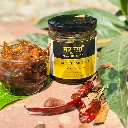
Raw mango is acidic. Acids interact with plastic packaging over time, leaching plasticizers into the contents. The process is slow and the result is usually undetectable by taste. We use glass because it is chemically inert — it does not interact with what is inside it. The chundu tastes the same on day 1 as it does on day 180.

Ingredients


Raw mango (kairi), Desi Khand (unrefined cane sugar), salt, red chilli, cumin seeds, fenugreek seeds, coriander seeds, fennel seeds, cinnamon, black pepper, cloves, bay leaf, green cardamom, black cardamom, javitri (mace), jaiphal (nutmeg).

No vinegar. No sodium benzoate. No refined sugar. No artificial colour or flavour. FSSAI certified.

Storage


Room temperature. Dry spoon only. Unopened: 12 months. After opening: 6 months. Refrigeration is not required and slightly mutes the aromatic spices as the syrup continues to develop.

What it tastes like


Sweet first, then the tartness of the raw mango, then the spices settle in. The syrup is thick and coats well. The mango pieces are soft enough to spread on roti but hold together enough to eat whole.

It goes with roti, paratha, dahi, rice. On a plain roti at room temperature, it needs nothing else alongside it.

Our Legacy

Made with love

Small Batch

Homemade Handcrafted

Frequently Asked Questions

Here are some common questions about our premium Khatta Meetha Achaar (Indian Mango Pickle).

A teaspoon to a tablespoon alongside a meal. The Desi Khand syrup is thick and the 13 spices are concentrated — a small amount goes further than you expect. The 150g jar lasts a household of 3 to 4 people roughly 4 to 6 weeks of daily use. The 300g jar is more economical per gram (₹599 vs ₹329 for 150g) and is the better choice if you have had the 150g before and know you go through it.

Three main differences. Spice count: commercial sweet mango pickles use 3 to 5 spices. This uses 13, including mace, nutmeg, cloves, and both varieties of cardamom — aromatics that most commercial recipes skip entirely. Sweetener: commercial versions use refined sugar or glucose syrup. This uses Desi Khand, which has molasses still in and tastes noticeably different in the syrup. Process: commercial versions are cooked. This is sun-cured for 3 to 7 days. The texture of the mango pieces and the depth of the syrup are different as a result.

Yes. A spoonful stirred into dal adds sweetness and tartness without making it taste like pickle — it blends. Spread on a roti before toasting on a tawa. Mixed into yogurt it works as a raita base without needing additional seasoning. Some customers use a small amount as a glaze on paneer before grilling. Think of it as a concentrated spiced fruit preserve and the applications open up.

It works particularly well as a gift for people who grew up in North India or in households where homemade chundu was part of the kitchen — people who no longer live near family who would make something like this. The nostalgia response is strong and reliable. The glass jar presents well without any additional packaging effort. It is also a good choice for someone who finds regular spicy achar too intense.

Yes. The spice level is mild — the red chilli is present but not dominant. Children who like sweet and tangy flavours take to it easily. Every ingredient is a whole spice or Desi Khand — no synthetic additives, no artificial colour. Several of our regular customers order specifically because it is something their children will actually eat.

 Yes, pan-India. Standard delivery is 3 to 5 business days. Express delivery is available at checkout for metro cities. Orders above ₹999 qualify for free delivery — a 300g jar plus any other product gets you there. The glass jars are packed with enough protection for transit; breakage during shipping is rare but covered if it happens.

We take bulk orders. Minimum 12 jars for bulk pricing. Message us on WhatsApp or email — we will send a quote within 24 hours and can arrange custom packing for gifting if needed. Khatta Meetha is one of our more requested products for mithai-alternative gifting at North Indian weddings and family functions.

Both are sweet mango pickles, but the process and flavour profile are different. Gor keri uses raw mango with solid jaggery (gol) and is typically spicier, with mustard seeds and fenugreek as the dominant spices. Khatta Meetha Mango Chundu uses Desi Khand (not solid jaggery), has 13 spices weighted towards aromatics, and is sun-cured without oil. The result is a sweeter, more aromatic syrup versus the sharper, more pungent profile of gor keri. Different regional recipes, both valid.

Each jar has a batch date on the label. We only ship from the most recent batch. The April-May production window means the freshest jars are typically available from May onwards. If you order in October, you are getting a batch from 5 months prior — well within the 12-month shelf life and fully safe. If you want to know the batch date before ordering, message us and we will tell you.

Specifications

Weight 150g in Glass Jar, 300g in Glass Jar