
Skip to Content

Amla Rasah — Amla Chutney (Indian Gooseberry)

(6 reviews)

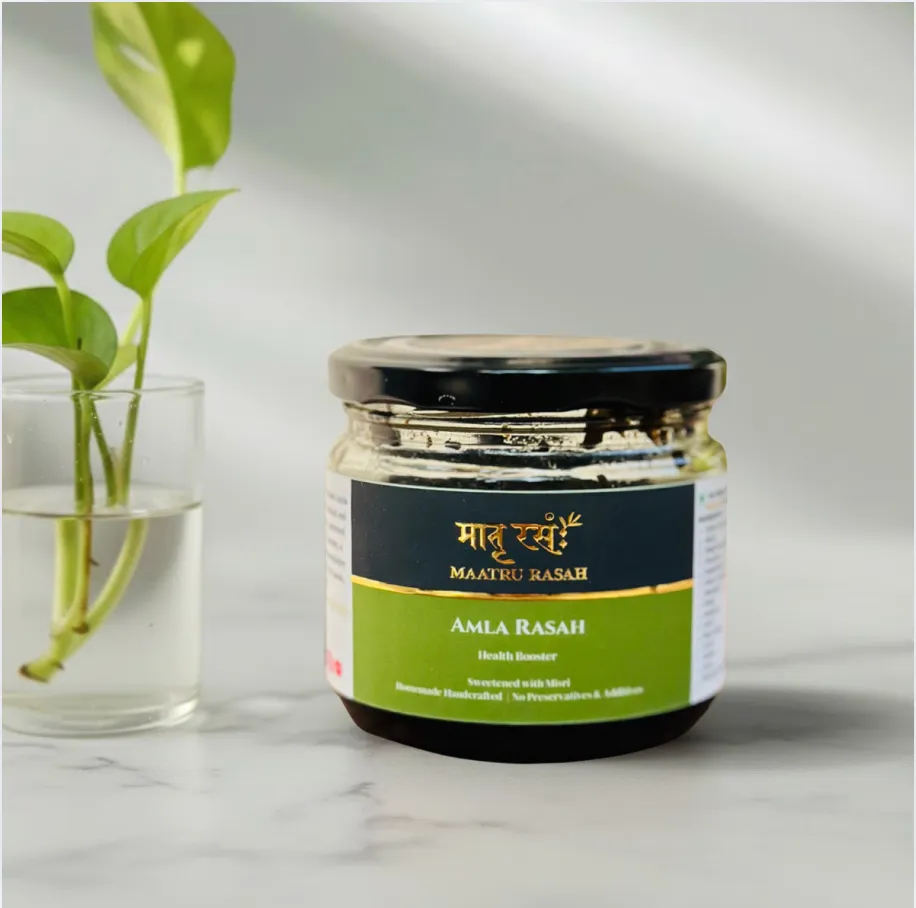
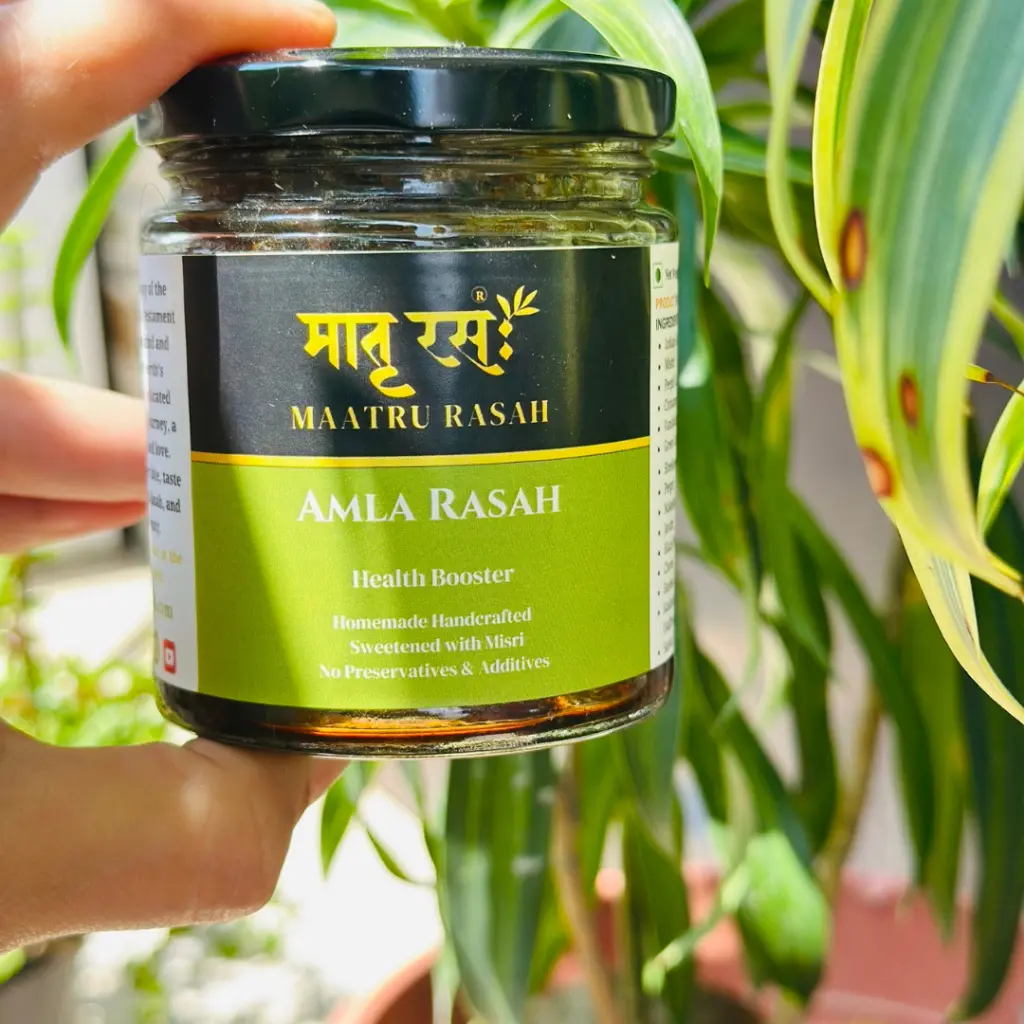
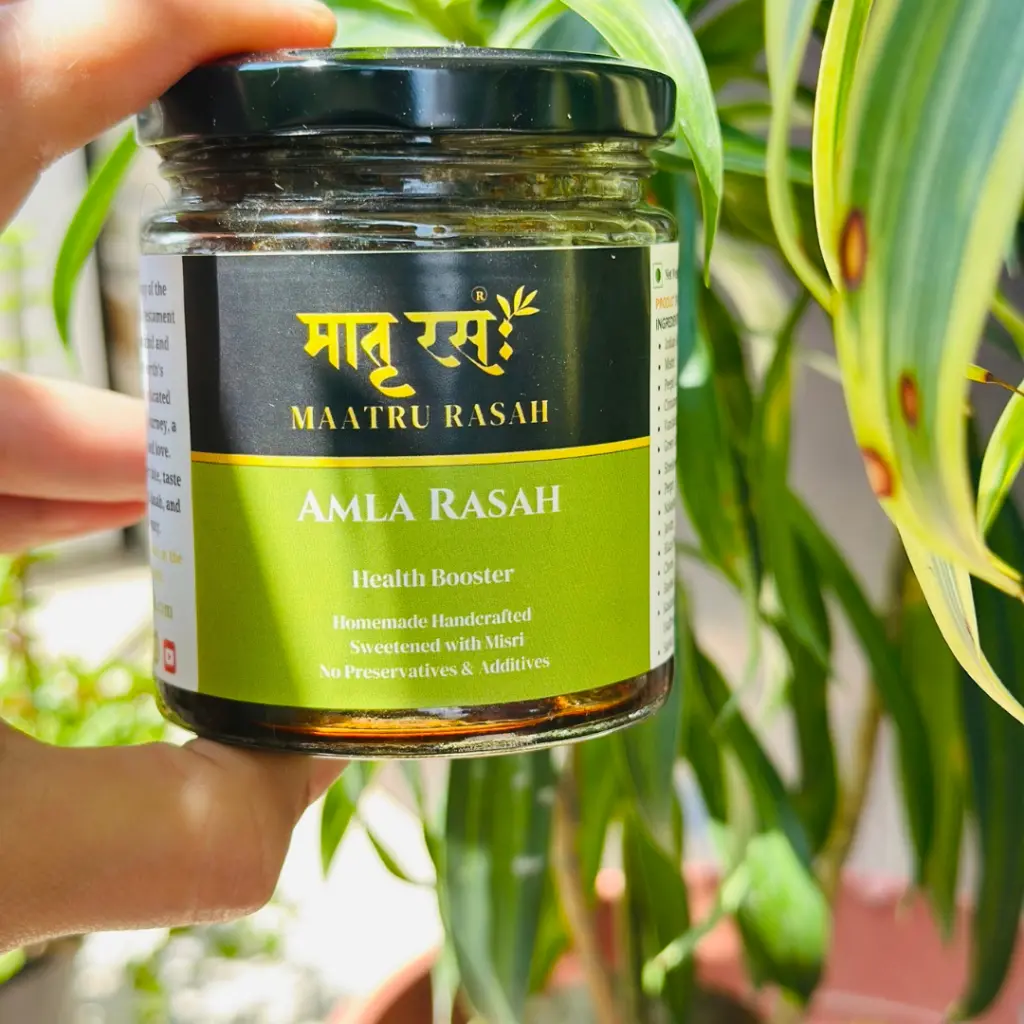
Whole amla (Indian gooseberry), slow-cooked in an iron kadai with misri and warm spices into a dark, glossy, sweet-and-sour chutney — soft pieces you can take by the spoon.

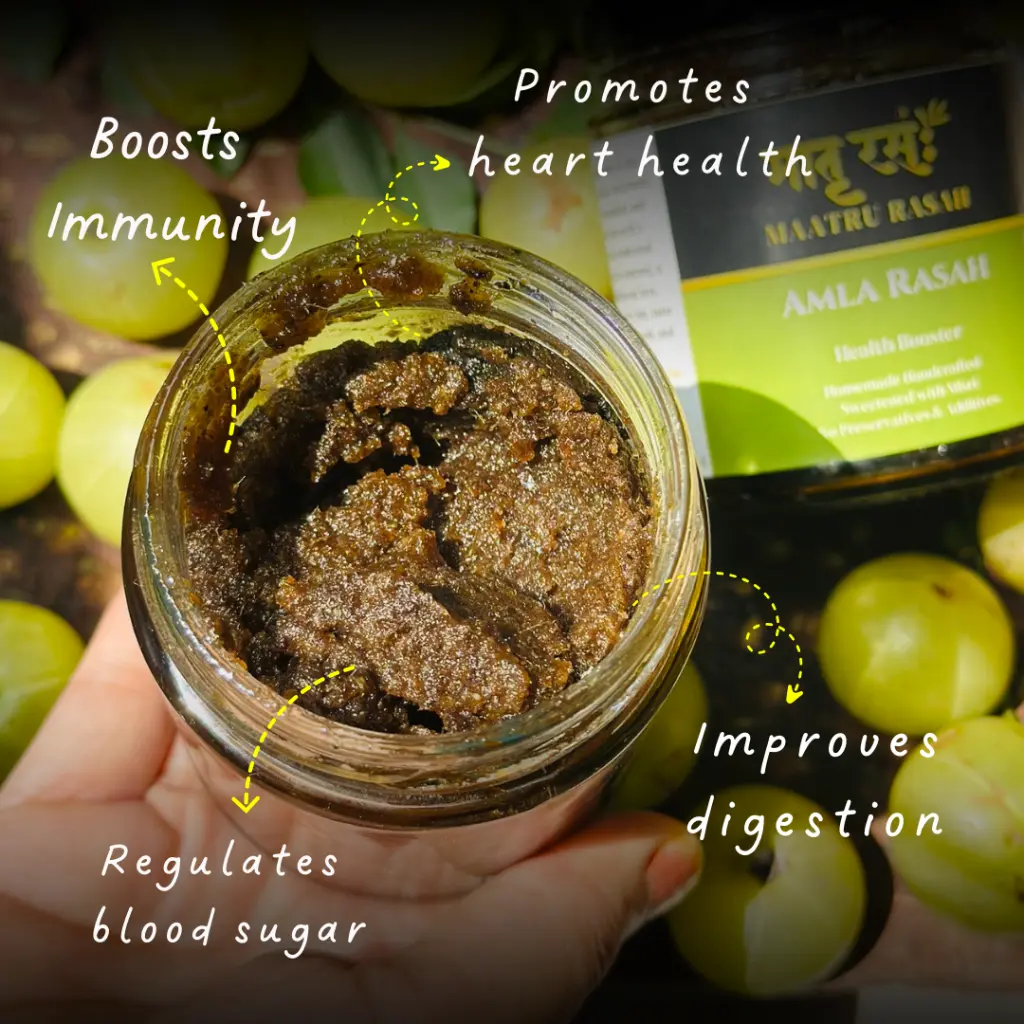
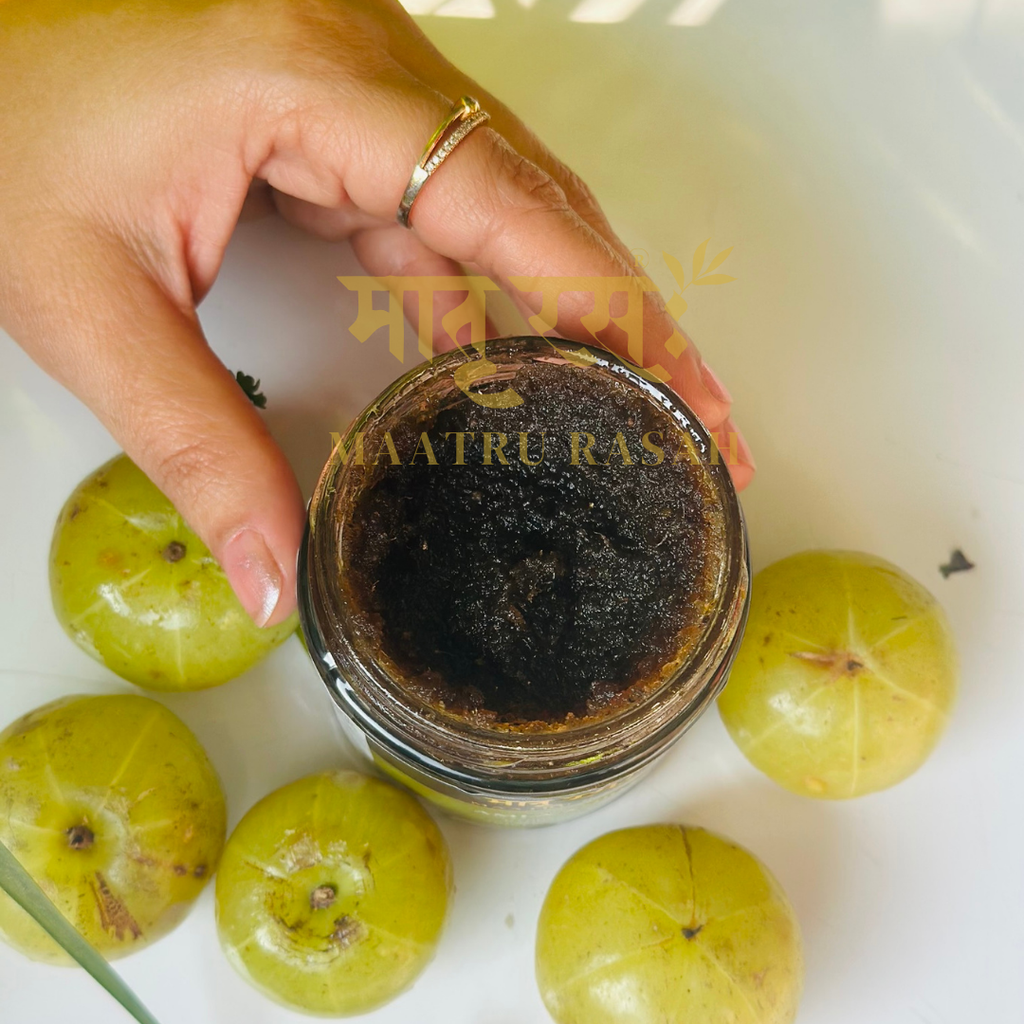
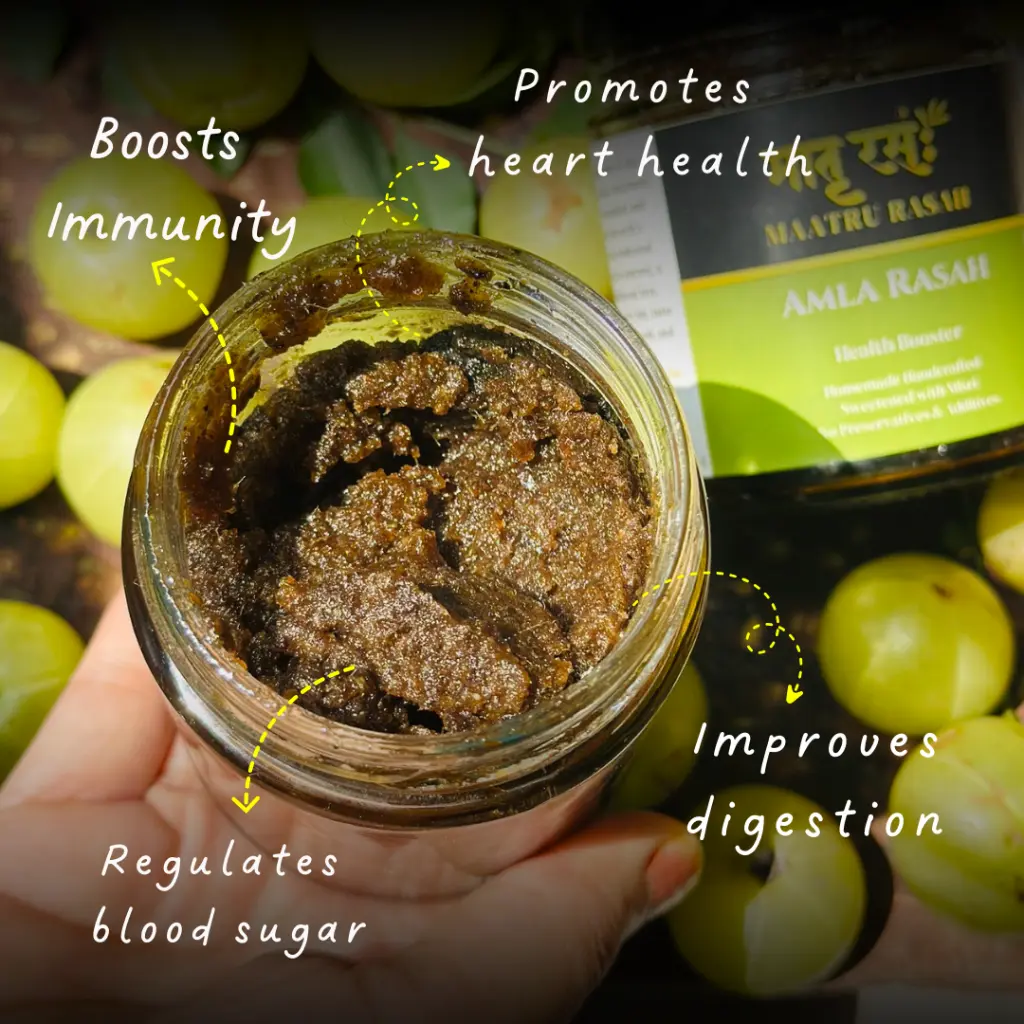
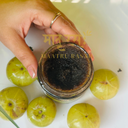
Open the jar and it reads deep brown-black and glossy, the colour amla takes when it's cooked long in iron. The first taste is sweet from the misri; then the amla's clean sourness comes through, with cinnamon, cardamom and clove sitting behind it. The pieces are soft and spoonable — tangy and rounded, not sharp.

Oil-free · Cooked in an iron kadai · Misri-sweetened · Sweet-sour · Soft whole pieces · No artificial preservatives · Glass jar · Made once a year (amla season)

Don't leave the kitchen empty-handed.

A 30 g sample from this month's batch is included with orders above ₹699 — from the same batch as your order, tucked in before we pack.

  • Weight
Price
₹ 499.00 ₹ 499.00
₹ 499.00
(Tax included)
✅ FSSAI Licensed 🤝 Farmers & Women Empowerment 🏺 No Preservatives 🫙 Glass Jar 🔒 Secure Checkout

— CORE FEATURES


Amla chutney cooked in an iron kadai, natural deep colour — Maatru Rasah

Cooked in an iron kadai — natural deep colour


Amla chutney with misri, not refined sugar — Maatru Rasah

Misri, not refined sugar — sweet-sour balance


No oil, no artificial preservatives amla chutney — Maatru Rasah

No oil, no artificial preservatives


Amla chutney made once a year, only in amla season — Maatru Rasah

Made once a year — only in amla season

"khatti - mithi flavor ke saath masalon ka perfect blend hai jo digesion ke liye bhi accha hai. Bikul homemade aur healthy feel hota hai. And thandiyo ka mausam bhi acha rahta hai and Thanku so much maatru Rasah ." Vikas Srivastava from Noida

Amla Indian gooseberry is in season only about mid-September through December, so this rasah is made once a year — roughly 2,000 jars for the whole year. When that batch sells out, the next one comes with the next jackfruit season, not in a few weeks.

Glass jar, hand-filled to order. If it reaches you damaged, we replace it.

WHAT IT IS

What is Amla Rasah?

आंवला INDIAN GOOSEBERRY | रसः TASTE

Amla Rasah is Maatru Rasah's amla chutney — Indian gooseberry (amla) slow-cooked in an iron kadai with misri (rock sugar) and a blend of warm spices until it sets into a dark, sweet-and-sour preserve. The amla stays in soft, whole-ish pieces rather than being pulped. There is no oil and no artificial preservative; the cooking, the misri and the amla's own sourness do the keeping.

The name is plain: amla is the gooseberry, rasah is the essence of a thing. It's a winter preparation — made only when fresh amla is in season — and eaten a small spoon at a time, on its own or with a meal.


OUR STORY BEHIND THIS JAR

In our house, amla chutney was a winter ritual, not a purchase.

My dadi and my mother cooked it every year when the amla came in — in the same iron kadai, the way it had always been done — and stocked enough to last until the next season. Nobody at home trusted the store-bought chyawanprash on the shelf; if the family wanted amla in the house, the family made it. My father had a spoon of this with warm milk every night through the cold months. It was simply part of winter at home, the way some houses always have a particular jar on the table.

That's the jar we make now: amla, misri, warm spices, cooked slow in iron until it turns dark. Same recipe, same kadai, same once-a-year rhythm.


DR. (CS) PUJA SHREE AGARWAL · FOUNDER

— WHY IT’S DIFFERENT

Why Amla Rasah is different 


Traditional amla chutney slow cooked in an iron kadai for deep colour and flavour

Cooked in an iron kadai

This is cooked slow in a heavy iron kadai, the way the family always has. The long contact with hot iron is what turns the chutney deep, near-black — a natural colour from the method, not from any added colour.

Amla Rasah made with misri rock sugar instead of refined white sugar

Misri, not refined sugar

The sweet comes from misri (rock sugar), used in restraint, so the amla's sourness still leads. No white sugar, no glucose syrup, no thickener. It reads sweet-and-sour, balanced rather than candied.

Homemade amla chutney with whole Indian gooseberry pieces instead of smooth pulp

Whole pieces, not pulp

The amla stays in soft, whole-ish pieces you can pick up on a spoon, instead of being boiled down to a smooth paste. You taste the fruit, not just the syrup.

Seasonal Amla Rasah chutney made once a year from winter harvest gooseberries

Made once a year

Amla is a winter fruit, so this is cooked only in season and stocked for the year — not produced on a line all twelve months. When a year's batch runs out, the next waits for the next amla.

— WHAT’S INSIDE

What's in the jar


As it goes into each jar, in roughly descending order of weight:

THE BASE

  • Amla (Indian gooseberry) — boiled and ground
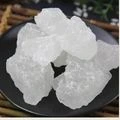
  • Misri (rock sugar) — for the sweet

THE SPICES & HERBS (in order of weight)

  • Peepli (long pepper) 
  • Dalchini (cinnamon) 
  • Nagkesar 
  • Javitri (mace)
  • Vanshlochan 
  • Choti elaichi (green cardamom) 
  • Shilajit) 
  • Peepri 
  • Shatavari) 
  • Kali mirch (black pepper) 
  • Laung (cloves) 
  • Tejpatta (bay leaf)
  • Saffron (kesar)

Why once a year?

Amla is seasonal. We cook it fresh when the fruit comes in and stock for the year, rather than running it year-round on a line.

Why misri?

Misri sweetens cleanly and lets the amla's sourness stay in front, instead of burying it the way refined sugar can.

Why an iron kadai?

It's how the family always cooked it. The long, slow contact with iron is what gives the chutney its deep, dark colour — the colour is the method.

WHAT’S NOT IN THIS JAR                                  

  Oil · Refined sugar · Artificial preservatives · Artificial colour · Vinegar

— HOW WE MAKE IT

How we make Amla Aamra


All of this happens once a year, in amla season — this single run is the year's entire supply.

1

Boil the amla

In winter, when fresh amla is in, it is washed and boiled until it softens.

2

Cool and deseed

Once it has cooled, the seeds are taken out by hand.

3

Grind

The deseeded amla is ground to a smooth paste.

4

Cook with misri in iron

The paste goes into an iron kadai on the flame; misri is added and it is cooked down until it turns thick.

5

Masala, then five minutes

The ground spice-and-herb blend is mixed in, and it cooks for five minutes more.

6

Finish and fill

Cooled, it is finished with saffron and a leaf of edible silver (chandi ka varak), then hand-filled into glass jars. Never plastic.

Our Legacy

Since 1857

Small Batch

2,000 jars for the whole year, by hand

Uma Agarwal preparing Tailam Aamra mango pickle with raw mango and masala in the Maatru Rasah kitchen.

PROVENANCE

Where this recipe comes from

The Agarwal family kitchen in Katra, an old quarter of Prayagraj, has cooked seasonal preserves since 1857. Amla chutney was the winter one — made when the gooseberries came in, cooked down in an iron kadai with misri and spices, and stocked to last until the next season. Maatru Rasah was founded in 2013 by Dr. (CS) Puja Shree Agarwal, and the chutney is still cooked in our kitchen by Uma Agarwal, in the same proportions and the same way.

Read the full kitchen story

Maatru Rasah Amla Rasah vs commercial amla chutney


AspectAmla RasahCommercial amla chutney
SweetenerMisri (rock sugar), restrainedRefined sugar / glucose syrup
CookingSlow-cooked in an iron kadaiMass-cooked / extract-based
PreservativesNo artificial preservativesOften sodium benzoate / sorbate
ColourNatural dark from iron + long cookSometimes added colour
FormSoft whole-ish piecesOften pulped to a paste
BatchMade once a year (amla season), by handYear-round factory

Which is right for me?

You're viewing Amla Rasah — oil-free, iron-kadai cooked, sweet-sour with misri. Prefer a tangy lemon chutney, an oil achaar, or vrat? Here are the others.


Your Dynamic Snippet will be displayed here... This message is displayed because you did not provide enough options to retrieve its content.

— STORAGE

Storage & refrigeration


SHELF-LIFE

12 months from packing · best within 6 months of opening

UNOPENED

Cool, dry, out of sunlight

EVERY USE

Dry spoon only; wipe the lid before closing

KEEP AWAY FROM

Moisture — a wet spoon shortens its life

— GOOD TO KNOW

A note on colour


No artificial colour. The dark, near-black shade comes from cooking the amla long in an iron kadai, and it deepens further as the jar settles. A darker jar is older and more settled, not lesser — the colour is the calendar, not a defect.

— HOW TO USE

How to use Amla Rasah?


A small spoon at a time — it's concentrated and sweet-sour.

  • With warm milk: the family way — a spoon stirred into warm milk at night.
  • On roti or paratha: a sweet-sour side.
  • With curd or dahi: the tang lifts a plain bowl.
  • On toast: a darker, tangier alternative to jam.
  • Straight from the spoon: a small bite on its own.

Specifications


ProductAmla Rasah — amla chutney (Indian gooseberry chutney)
CategoryChutneys & Rasah · oil-free
Net weight150 g (SKU OAR150G, ₹499) · 300 g (SKU OAR300G, ₹799)
ContainerGlass jar, metal lid (never plastic)
BaseWhole amla (Indian gooseberry) + misri (rock sugar)
Spices & herbsCinnamon, green cardamom, mace (javitri), black pepper, cloves, bay leaf, pippali (peepli), Shatavari, nagkeshar, vanshlochan, shilajit, saffron (kesar)
OilNone — oil-free
SweetenerMisri (rock sugar), restrained — no refined sugar, no syrup
MethodSlow-cooked in an iron kadai · misri melted in · spices folded in · cooked down dark · hand-filled on order
TextureDark, glossy; soft whole-ish amla pieces
TasteSweet-and-sour, warm-spiced
PreservationSlow cooking + misri + amla acidity + glass jar · no artificial preservatives
Shelf life12 months from packing · best within 6 months of opening
StorageCool, dry, no sun; dry spoon
DietVegetarian
Hand-cooked byUma Agarwal, in our kitchen
Recipe origin1857, Katra, Prayagraj (Agarwal family kitchen)
CountryIndia
ProductionMade once a year (amla/winter season), ~2,000 jars, by hand. The day that requires machinery is the day we stop growing.
FSSAI12723052000504
ShippingIndia only · dispatch 2–3 days

— FREQUENTLY ASKED QUESTIONS

FAQ


Here are some common questions about our Amla Rasah — Amla Chutney (Indian Gooseberry).

It's our amla chutney — Indian gooseberry slow-cooked in an iron kadai with misri and warm spices into a dark, sweet-and-sour preserve. Oil-free, with soft whole-ish pieces of fruit.

Because it's cooked long in an iron kadai. The slow contact with iron deepens the colour naturally, and it darkens further as the jar settles. There's no added colour.

Misri (rock sugar), used in restraint — no refined sugar or syrup. The amla's sourness stays in front, so it reads sweet-and-sour rather than candied.

No. Amla is a winter fruit, so this is cooked once a year when the amla comes in and stocked for the year. When a batch sells out, the next waits for the next season.

No artificial preservatives and no artificial colour. The cooking, the misri and the amla's own acidity keep it.

A small spoon at a time — with warm milk the family way, on roti or toast, with curd, or on its own.

Send a photo of the jar and outer box within 24 hours of delivery and we replace it from the next batch, courier covered both ways. Opened jars can't be returned (perishable, made to order).

Amla chutney from Maatru Rasah

A winter jar, cooked once a year in an iron kadai.

Order Amla Rasah — 150 g or 300 g, hand-made in our kitchen. Order Amla Rasah