
Skip to Content

Jave — Handmade Roasted Suji Sewai

(0 review)

Thin strands of suji, shaped by hand, dried in courtyard sun and dry-roasted on a slow flame till they smell faintly of a warm tawa. This is sewai the way a nanihal made it — because that is exactly where the recipe lives.

Handmade · Suji only, no maida · Sun-dried, then dry-roasted · Made by women at home · No artificial preservatives

Don't leave the kitchen empty-handed.

A 30 g sample from this month's batch is included with orders above ₹699 — from the same batch as your order, tucked in before we pack.

No delivery charge on orders over ₹999

  • Weight
Price
₹ 299.00 ₹ 299.00
₹ 299.00
(Tax included)
₹ 299.00 / Units
✅ FSSAI Licensed 👩‍🍳 Women-Led Kitchen 🌿 No Artificial Preservatives 🤝 Supports Welfarepreneur — Our NGO 🔒 Secure Checkout

One pair of hands makes about 250 grams of jave in an hour. A kilo is four hours of one woman's morning. We do not hurry that number; batches are small because the method is.

Packed in a craft-paper standing pouch. Ships in Mailer boxes. If a pack reaches you damaged, write to care@maatrurasah.com — we make it right.

WHAT IT IS

What is Jave? 

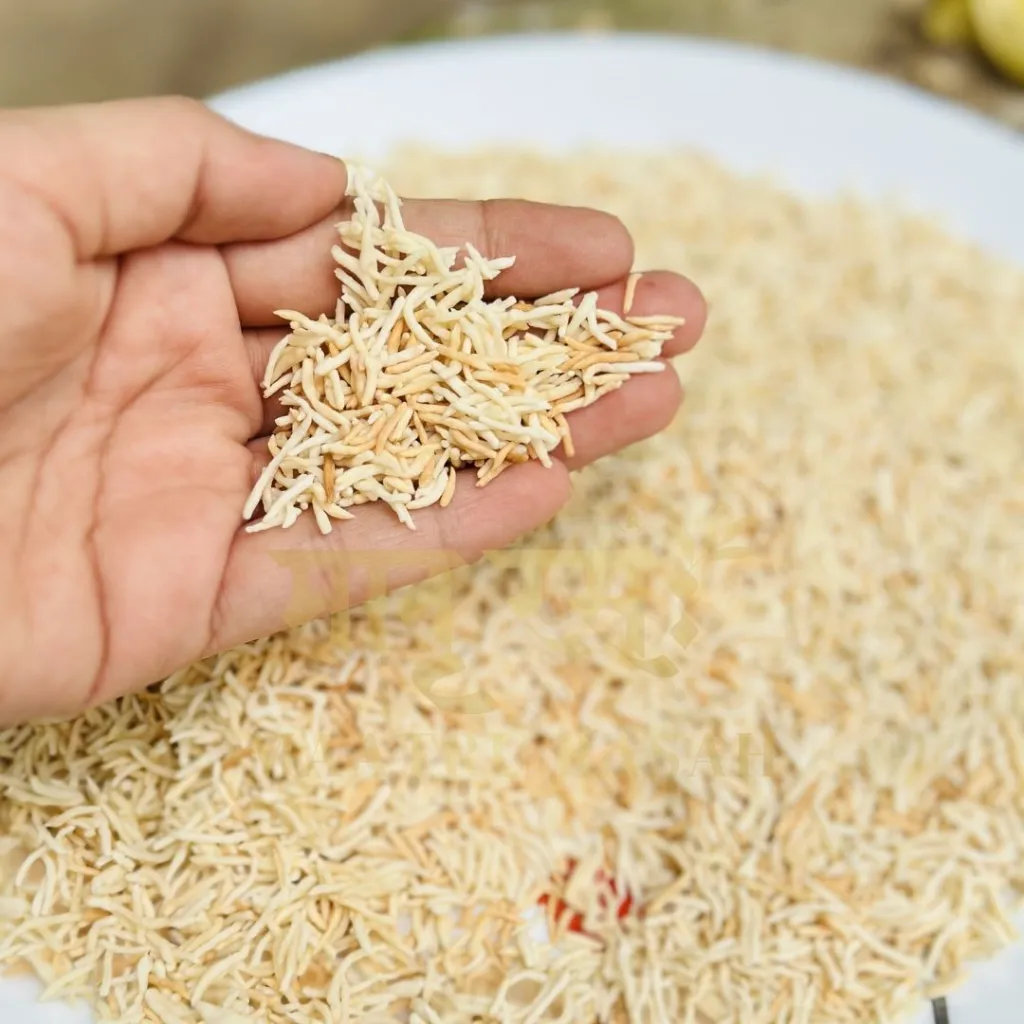
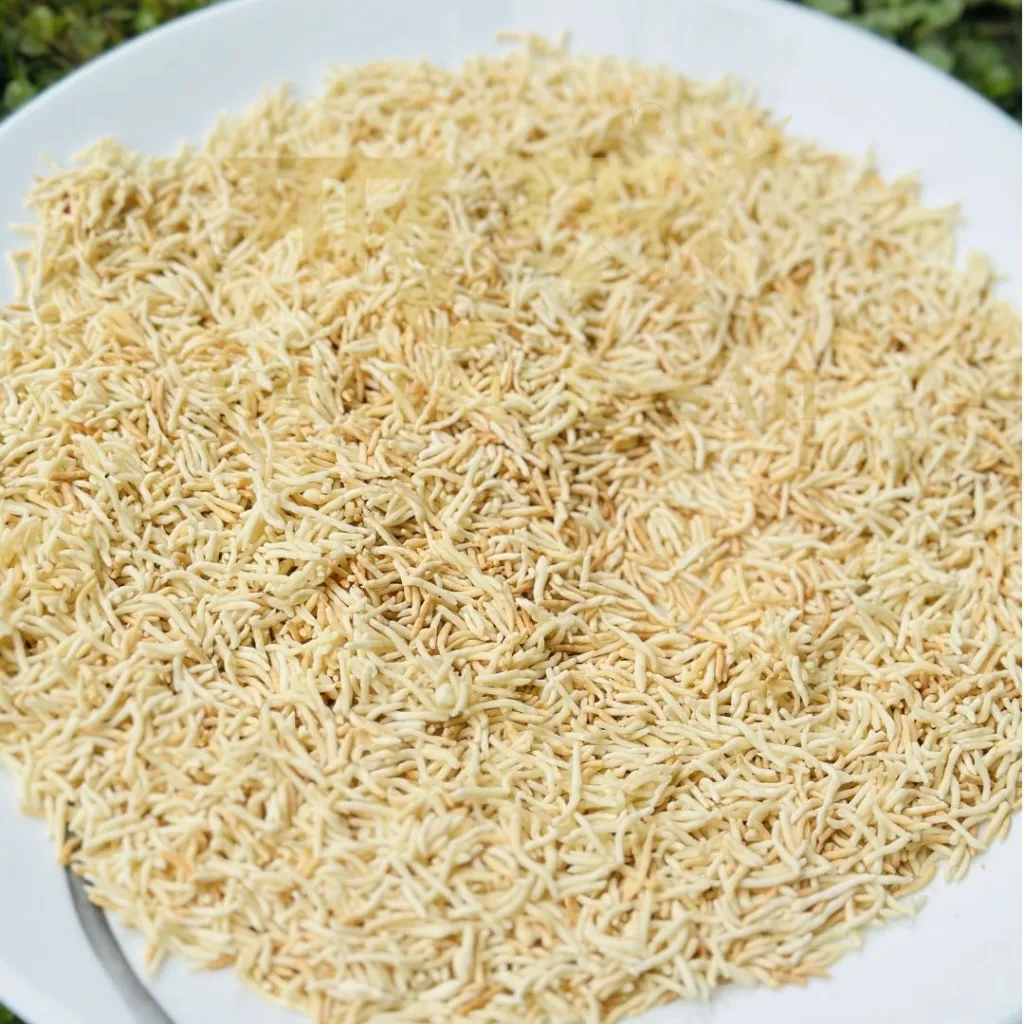
Jave are thin, handmade strands of roasted suji (semolina) — the north Indian sewai that becomes kheer on festival mornings and namkeen jave on ordinary evenings. In western Uttar Pradesh this food has only ever been called jave. Unlike market vermicelli, which is extruded by machine in one continuous ribbon, jave are shaped from a rested dough one strand at a time, so no two are identical. Ours are sun-dried briefly, then dry-roasted before packing, which means they go straight from pack to pan.


एक चीज़, कई नाम (One food, many names): इसी एक चीज़ को उत्तर भारत में जवे या सेवई, ईद की रसोई में सेवइयां, दक्षिण में semiya, महाराष्ट्र में shevaya, और अंग्रेज़ी में vermicelli कहते हैं। नाम बदलता है; हाथ से तोड़ने का तरीक़ा नहीं। 

The same food answers to jave, sewai, seviyan, semiya and vermicelli, depending on whose kitchen you grew up in.

OUR STORY BEHIND THIS JAR

Bachpan mein mujhe Maggi bahut pasand thi. 

Ghar mein wo aati nahin thi — uski jagah namkeen jave bante the, wahi nanihal wale. Main utne hi shauk se khati thi, aur sach kahoon to aaj bhi khati hoon. Mere ghar mein ab bhi Maggi nahin aati. Jave aate hain.

DR. (CS) PUJA SHREE AGARWAL · FOUNDER

— WHY IT’S DIFFERENT

Why these jave are different


Homemade Jave Sewai Online – Handmade jave shaped strand by strand using the traditional family method

Made by hand, strand by strand

Market vermicelli is pressed through a die in kilometres of identical ribbon. Jave are shaped off a rested dough, one strand at a time. You can see the difference in the uneven lengths — that unevenness is the signature of a hand, and the reason handmade jave taste the way they do.

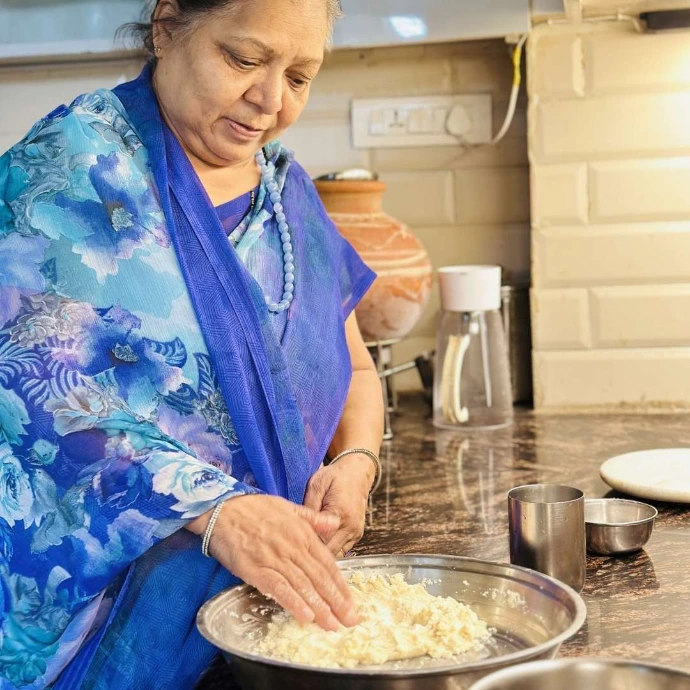
Homemade Jave Sewai Online – Women handcrafting traditional jave through India's home industry

A women's home industry

These jave come from the hands of women working in their own homes in Anoopshahr — the same grih udyog tradition our family learned it from.

Buy Homemade Jave Sewai Online – Pure suji (semolina) used to make handmade traditional vermicelli

Suji, and only suji

Most packaged vermicelli leads with maida. Ours begins and ends with semolina. That is a fact of the recipe, not a slogan — read the ingredient list.

Homemade Jave Sewai Online – Small-batch handmade vermicelli prepared at a slow traditional pace

250 grams an hour

That is what one practised pair of hands makes in sixty minutes. It is the slowest possible way to make sewai, and the only way we know.

— WHAT’S INSIDE

What's in the pack


Suji (semolina) — that is the whole list. Dry-roasted; nothing added at any step. No artificial preservatives.

Why roasted?

Raw sewai must be browned before it can become kheer or upma. Ours is dry-roasted after sun-drying, slowly, on a gentle flame — so the browning is already done, and your kheer starts at the milk, not at the tawa.

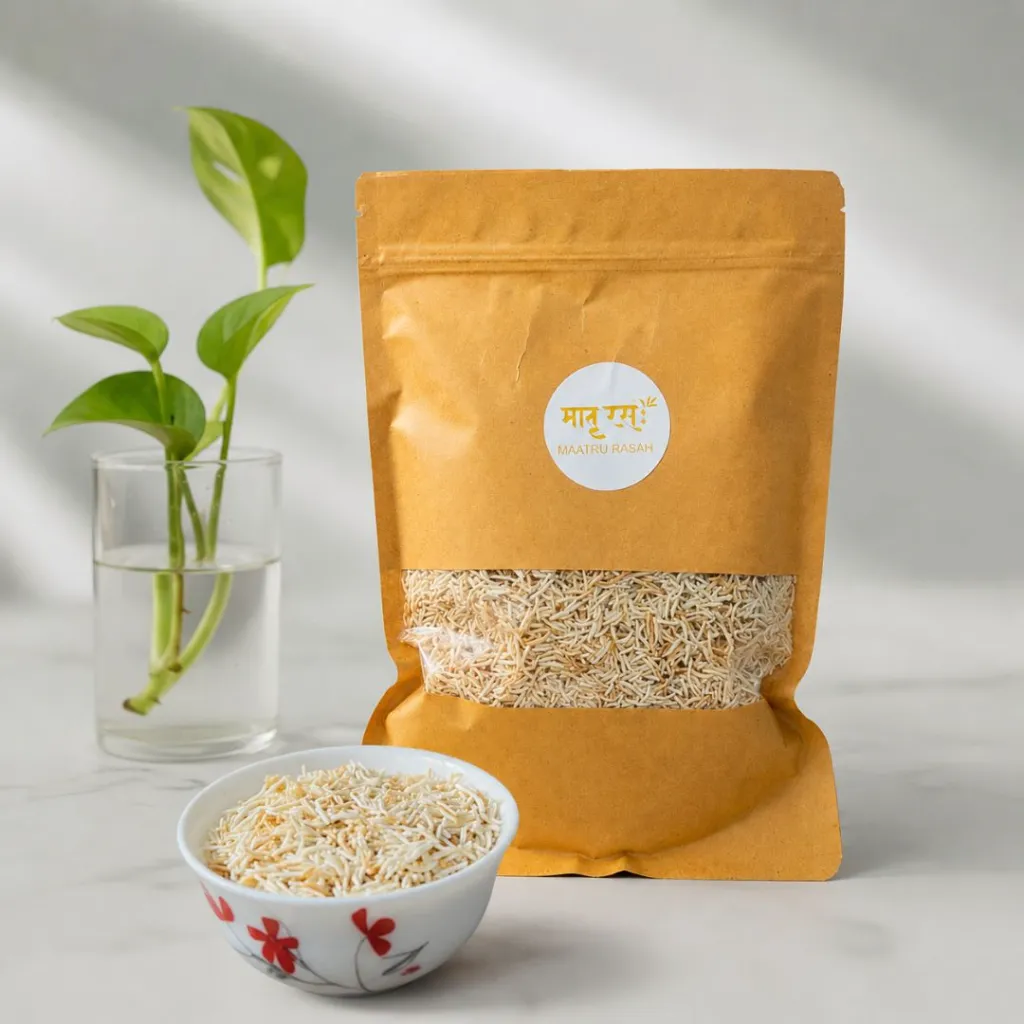
Packaging note: Packed in a craft-paper standing pouch. When it reaches you, pour the jave into an airtight jar — that is their home for the next twelve months.

Buy Homemade Jave Sewai Online –handmaking traditional suji jave sevai by hand at Maatru Rasah

PROVENANCE

Where this craft comes from

Our achaar recipes come down the Prayagraj line. Jave come from the other kitchen in our family — the nanihal. In Anoopshahr, in western Uttar Pradesh, Uma Agarwal learned to break jave from her own mother, in a courtyard where this was simply what women did before winter mornings and festival weeks. When Maatru Rasah began putting family food into jars in 2013, that maternal recipe came along. Nothing about the method has been modernised, because nothing about it needed to be.

Read the full kitchen story

— HOW WE MAKE IT

How we make jave


1

Bhigona

Suji is soaked till it drinks its water.

2

Gunthna

The soaked suji is kneaded into a firm dough.

3

Aaram

the dough rests under a damp cloth, fifteen to twenty minutes.

4

Haath se banana

Strand by strand; one person hands, one hour, 250 grams.

4

Dhoop

the strands take a short sun-drying on courtyard sheets.

4

Roast aur pack

Dry-roasted slowly on a gentle flame, then packed.

Every Strand

Starts by hand

Handmade Daily

Freshly prepared

Handmade jave vs market vermicelli


Handmade jave Market vermicelli
Made by Women in their homes, Anoopshahr Extrusion machine
Pace About 250 g per hand, per hour Tonnes a day
Grain Suji only Often maida-led
Strands Uneven, shaped by hand Identical, machine-cut
Roasting Dry-roasted before packing Usually your job

— HOW TO USE

How will you eat your jave?


Kheer — festival mornings, slow-thickened milk. 

Sheer khurma — the Eid pot. 

Sewai upma — a ten-minute breakfast. 

Namkeen jave — the four o'clock answer in our own house. 

How to use 

For kheer, add jave straight to simmering milk — the roasting is done. For upma, temper and toss. For namkeen jave, ask us for the family method when the blog arrives; until then, the pack cooks like any roasted sewai, only slower-made.

Sweet tooth in the family?Sithora Laddu · Gujiya


— STORAGE

Storage & refrigeration


WHEN THE POUCH ARRIVES

Pour the jave into an airtight jar as soon as it reaches you

SHELF-LIFE

12 months in an airtight jar

WHERE TO KEEP

Away from direct sunlight

ONE RULE OF THE HAND

Never reach in with wet hands

Specifications


Jave at a glance

Net weight 500 g (₹299) · 1 kg (₹499)
Packaging Craft-paper standing pouch
Shipping pack Pouch shipped inside a mailer box
Ingredients Suji (semolina)
Process Soaked, kneaded, rested, made by hand, sun-dried, dry-roasted on a gentle flame
Craft origin Maternal family, Anoopshahr (western Uttar Pradesh)
Made in Our kitchen
Maker Women's home industry (grih udyog)
Shelf life 12 months (airtight jar)
Diet Vegetarian
Allergens Wheat (suji)
Production pace ~250 g made by hand, per hour
FSSAI licence 12723052000504
Shipping Across India. Ships in 24 hours. Free delivery above ₹999.

— FREQUENTLY ASKED QUESTIONS

FAQ

Here are some common questions about our Jave — Handmade Roasted Suji Sewai.

हाँ। जवे, सेवई, सेवइयां, semiya और vermicelli — अलग-अलग इलाक़ों में इसी एक चीज़ के नाम हैं। हमारे घर में इसे हमेशा जवे कहा गया, इसलिए पैक पर भी यही नाम है।

Are jave and sewai the same thing? Yes — jave, sewai, seviyan, semiya and vermicelli are regional names for one and the same food. In our home it was always called jave, so that is the name on the pack.

500 ग्राम का पैक ₹299 का है और 1 किलो का ₹499। दाम हाथ की रफ़्तार का है — एक हाथ एक घंटे में क़रीब 250 ग्राम जवे बनाता है, यानी एक किलो में किसी की पूरी सुबह लगती है। A 500 g pack is ₹299 and 1 kg is ₹499. The price is the pace of a hand — one pair of hands makes about 250 g of jave in an hour, so a kilo is someone's whole morning.

नहीं, अलग से सेंकने की ज़रूरत नहीं। ये जवे धूप में सुखाने के बाद धीमी आँच पर पैक होने से पहले ही सूखा भून लिए जाते हैं — सीधे उबलते दूध या छौंके पैन में डालिए। No browning needed. These jave are sun-dried and then dry-roasted on a gentle flame before packing, so they go straight into simmering milk or a tempered pan.

सिर्फ़ सूजी। सामग्री की सूची एक ही लाइन की है, और उसमें मैदा नहीं है। भूनते समय भी कुछ नहीं मिलाया जाता — ये सूखा भुनाई है। Suji only. The ingredient list is one line long, and maida is not on it. Nothing is added during roasting either — it is a dry roast.

एयरटाइट जार में बारह महीने। ऑर्डर पहुँचते ही जवे को पाउच से जार में पलट लीजिए, सीधी धूप से दूर रखिए, और गीले हाथ कभी मत डालिए। Twelve months in an airtight jar. Pour the jave from the pouch into a jar as soon as your order arrives, keep it away from direct sunlight, and never reach in with wet hands.

क्योंकि इन्हें हाथ ने बनाया है, किसी डाई ने नहीं। मशीन की सेवई डिज़ाइन से एक जैसी होती है; जवे परिभाषा से ही असमान होते हैं। बराबरी का मतलब होता कि हमने इन्हें पुराने तरीक़े से बनाना छोड़ दिया। Because a hand made them, not a die. Machine vermicelli is identical by design; jave are irregular by definition. Evenness would mean we had stopped making them the old way.

हाँ। ऑर्डर के साथ चेकआउट पर Gift Note लिखवा सकते हैं — चिट्ठी पैक के साथ जाती है। शीर ख़ुरमा और खीर, दोनों घर इसी से बनते हैं। Yes. Add a Gift Note at checkout and the note travels with the pack. Both sheer khurma and kheer are made from this in our own home.

हाँ। ऑर्डर के साथ चेकआउट पर Gift Note लिखवा सकते हैं — चिट्ठी पैक के साथ जाती है। शीर ख़ुरमा और खीर, दोनों घर इसी से बनते हैं। Yes. Add a Gift Note at checkout and the note travels with the pack. Both sheer khurma and kheer are made from this in our own home.

Jave — handmade roasted suji sewai

Most "sewai" is machine-pressed maida in one endless ribbon. This is the opposite — suji only, broken by hand one strand at a time, sun-dried and dry-roasted till it smells of a warm tawa. Sewai the way a nanihal made it.

500 g ₹299 · 1 kg ₹499 · Ships in 24 hours · free delivery above ₹999 · Order Jave