
Gur ka Sithora is a traditional Prayagraj sweet made from jaggery (gur), desi ghee and dry fruits, warmed with spices like dry ginger and a little turmeric. It is a winter favourite in North Indian homes, eaten as a small, rich bite — often with warm milk at night.
A winter sweet with a name most people don't know
Every region of India has a winter sweet that the family makes the same way every year, and in Prayagraj one of those is Sithora. It is not a mithai-shop product; it is a home preparation — jaggery and ghee cooked down with dry fruits and warming spices, set and cut into small, dense pieces. This is a plain guide to what Sithora actually is, where it comes from, how it is made, and how it is eaten. No health promises — just a very old sweet, explained.
What is Gur ka Sithora?
Gur ka Sithora is a traditional North Indian sweet built on three things: jaggery (gur), desi ghee and dry fruits, warmed with spices such as dry ginger (sonth) and a touch of turmeric. Jaggery is unrefined, non-centrifugal sugar that keeps more of the molasses and minerals that refining strips out (Jaffé, 2012); that is what gives Sithora its deep, caramel-brown colour and its rounded sweetness, quite different from a white-sugar sweet.
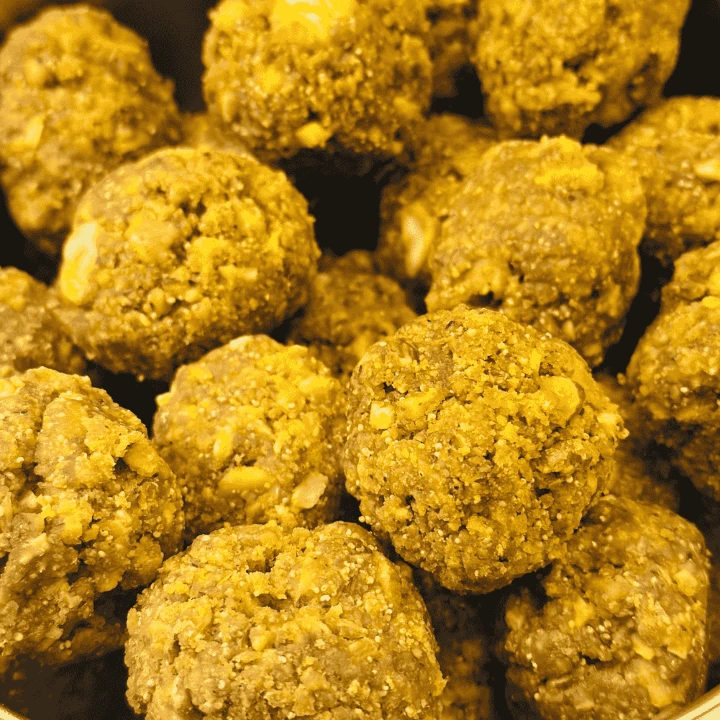
It is eaten in small pieces — a sweet that is rich enough that a little is the point. In Prayagraj homes it belongs to winter, the way certain foods only appear when the weather turns.
Where ours comes from: a 1857 family recipe
Our Sithora follows a recipe carried in the Agarwal family kitchen in Katra, Prayagraj, since 1857 — the same family lineage behind our achaar. (To be precise about heritage: 1857 is the recipe lineage; Maatru Rasah as a brand was incorporated in 2013. We never blur the two.) My mother, Uma Agarwal, makes it the slow way, in small batches, with no artificial preservatives.
We make ours with jaggery, desi ghee and dry fruits, and a heritage touch of Lakadong turmeric and Ing Makhir ginger — the same single-origin spices we source from Meghalaya. That is the honest difference between a home Sithora and a generic jaggery laddu.
How Sithora is made
The method is simple but unforgiving — it is all in the cooking of the jaggery.
- Melt the jaggery gently to a syrup, watching it closely so it does not catch.
- Bloom the spices in desi ghee — dry ginger, a little turmeric — and fold them in.
- Add the dry fruits — almonds, cashews, walnuts — roasted and chopped.
- Cook it down to the right consistency, then set and cut into small pieces while warm.
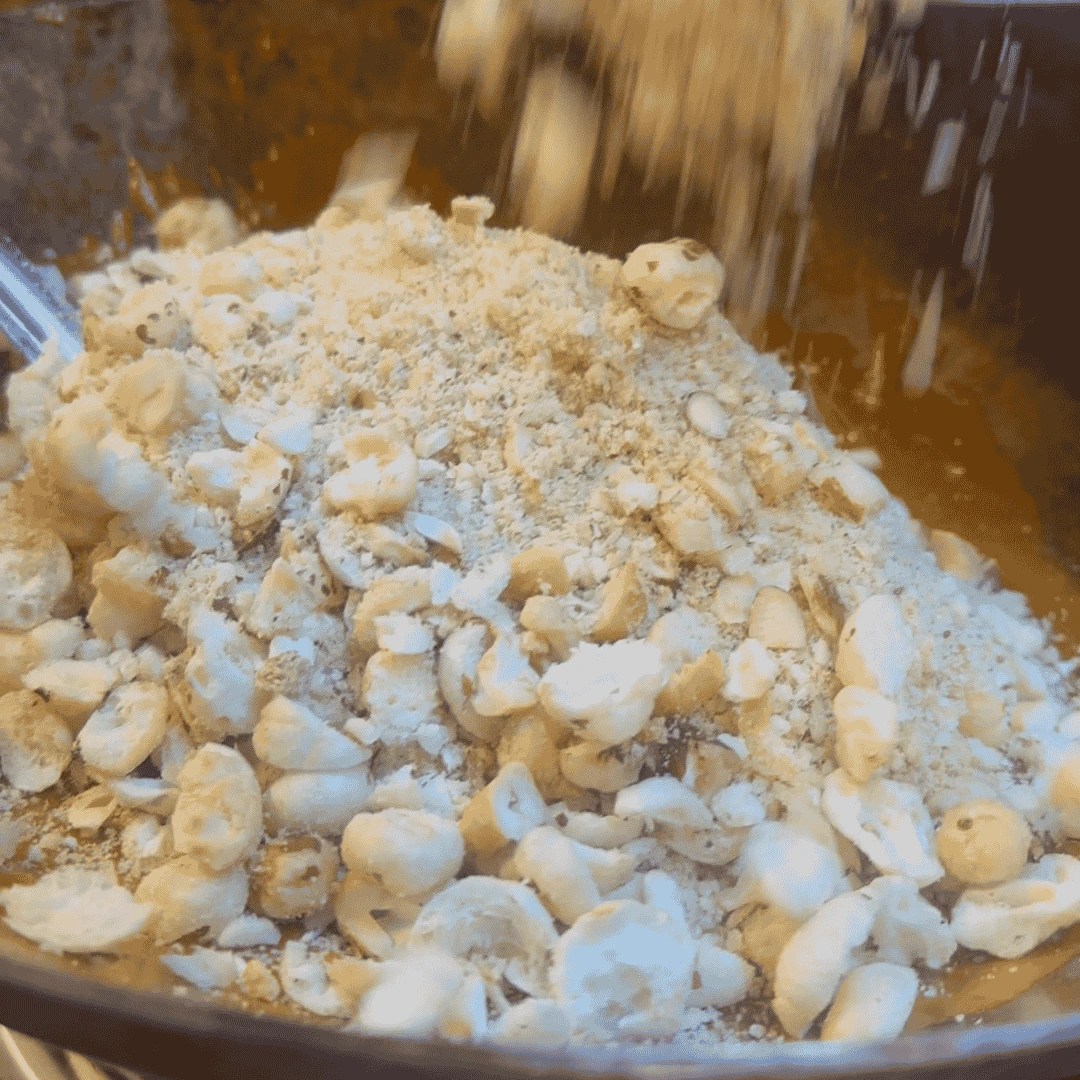
There is no shortcut and no machine for the part that matters: knowing exactly when the jaggery is ready. That is what a family recipe carries.
How and when it is eaten
Sithora is a winter sweet, eaten in small amounts. A common way in North Indian homes is a small piece at night, sometimes with warm milk. It also works as a post-meal sweet bite or a between-meals nibble in cold weather. Because it is jaggery-and-ghee dense, a little goes a long way — and that is how it is meant to be eaten.
(A note on tradition, not a health claim: jaggery, ghee and warming spices have a long place in Indian winter cooking, and classical texts describe ginger and turmeric as warming spices — ushna — in their traditional classification (Pole, 2013). We share this as culinary heritage, not as a promise about what the sweet does for you. See the note below.)
How to store it
Keep Sithora in an airtight container in a cool, dry place, away from heat and damp. Made with jaggery and ghee and no artificial preservatives, it keeps well for a few weeks stored this way. Use a dry spoon or clean hands; moisture is the main thing to avoid. If your kitchen is very warm, the fridge keeps it firm and fresh for longer.
Why our Sithora
We make Sithora the way it was made in the family kitchen — small batches, jaggery and desi ghee, real dry fruits, no artificial preservatives, seasoned and tasted by hand. It is one of the sweets people come back to us for. You can find it on our Sithora page, part of our Traditional Sweets; the fuller family story is on our About Us page.
Frequently Asked Questions
What is gur ka Sithora?
Gur ka Sithora is a traditional Prayagraj sweet made from jaggery (gur), desi ghee and dry fruits, warmed with spices like dry ginger and a little turmeric. It is set and cut into small, dense pieces and is a winter favourite in North Indian homes.
What is Sithora made of?
Jaggery, desi ghee and dry fruits (almonds, cashews, walnuts), with warming spices such as dry ginger and turmeric. Maatru Rasah's version also uses single-origin Lakadong turmeric and Ing Makhir ginger. No artificial preservatives.
Is Sithora the same as a jaggery laddu?
They are related but not identical. Sithora is a specific Prayagraj preparation built on jaggery, ghee and dry fruits with warming spices, set and cut. A generic jaggery laddu may skip the spice and dry-fruit character that defines Sithora.
How do you eat Sithora?
In small pieces, usually in winter — often a small bite at night with warm milk, or as a post-meal sweet. Because it is jaggery-and-ghee rich, a little is enough.
How long does Sithora last and how should I store it?
Stored airtight in a cool, dry place, it keeps well for a few weeks. Keep it away from heat and damp and use a dry spoon; refrigerate in very warm weather to keep it firm.
Disclaimer: This article is shared for culinary, cultural and educational interest, drawing on cited sources. It is not medical or nutritional advice. Maatru Rasah products are foods, not medicines, and are not intended to diagnose, treat, cure, or prevent any disease. For any health concern, please consult a qualified professional.
Set Maatru Rasah as a preferred source on Google
References
Jaffé, R. (2012). Health effects of non-centrifugal sugar (NCS): A review. Sugar Tech, 14(2), 87–94. https://doi.org/10.1007/s12355-012-0145-1
Pole, S. (2013). Ayurvedic medicine: The principles of traditional practice. Singing Dragon.