-
Weight
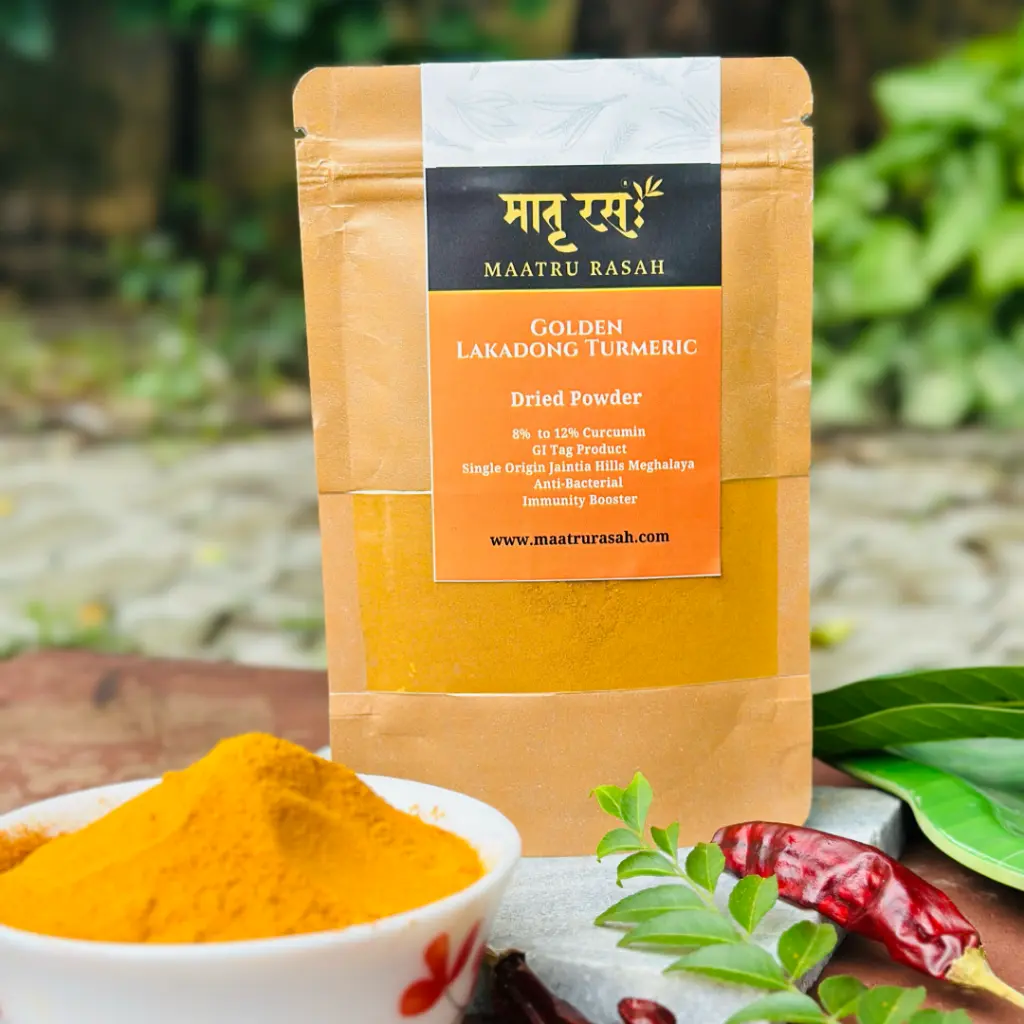
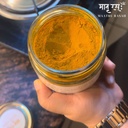
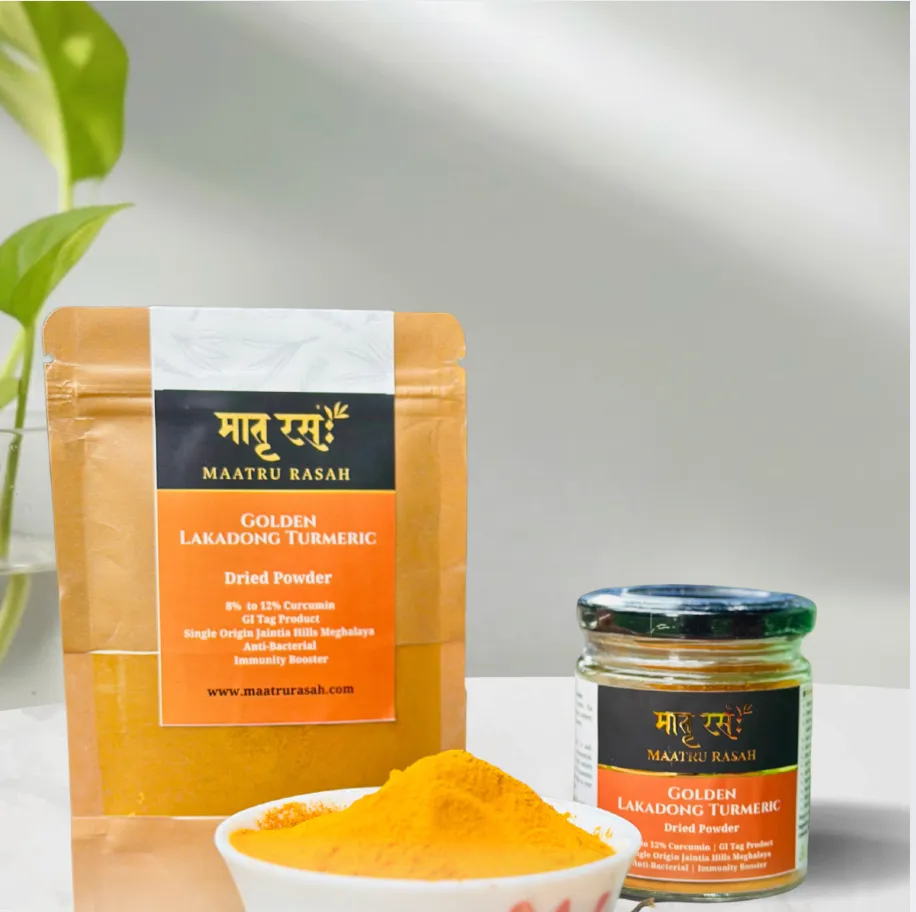
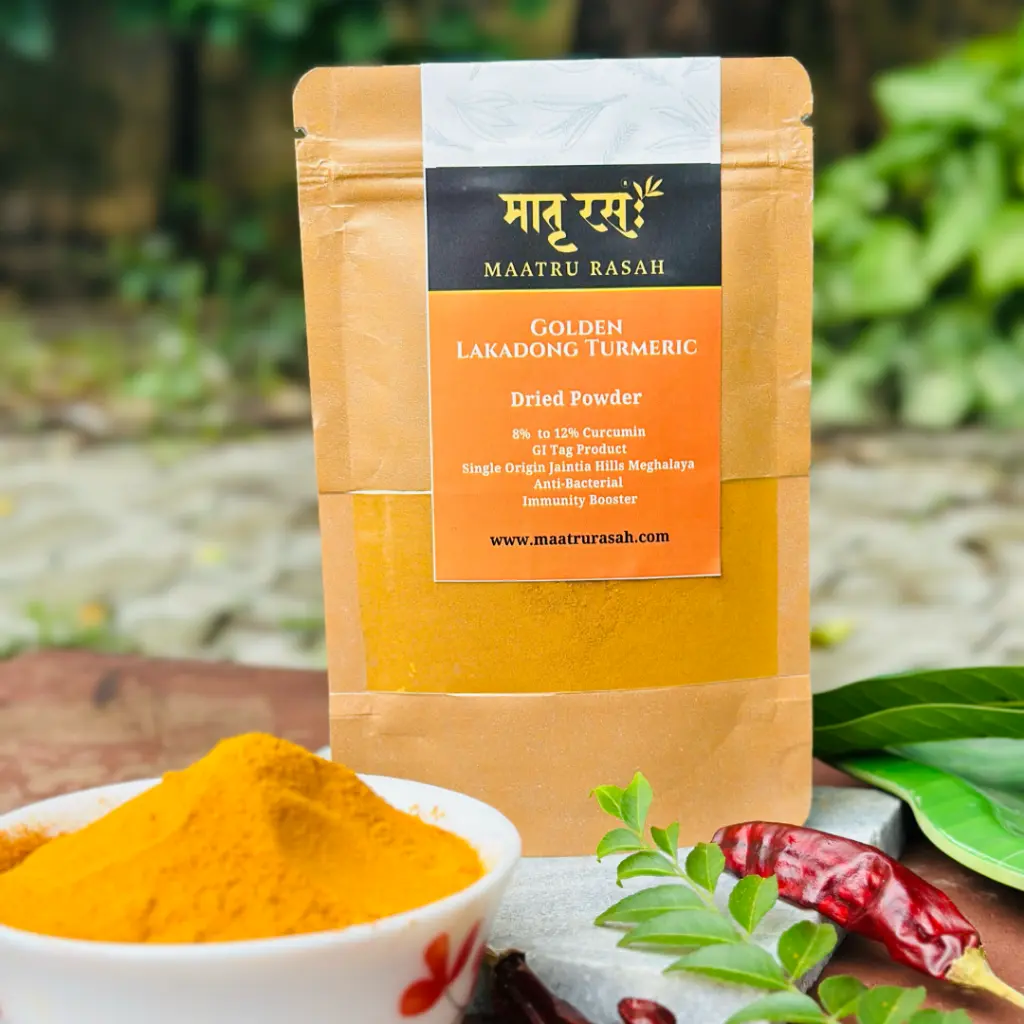
| Weight | 50g in Pouch, 50g in Glass Jar |

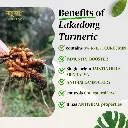
Naturally Grown
Pure and Wholesome Flavor
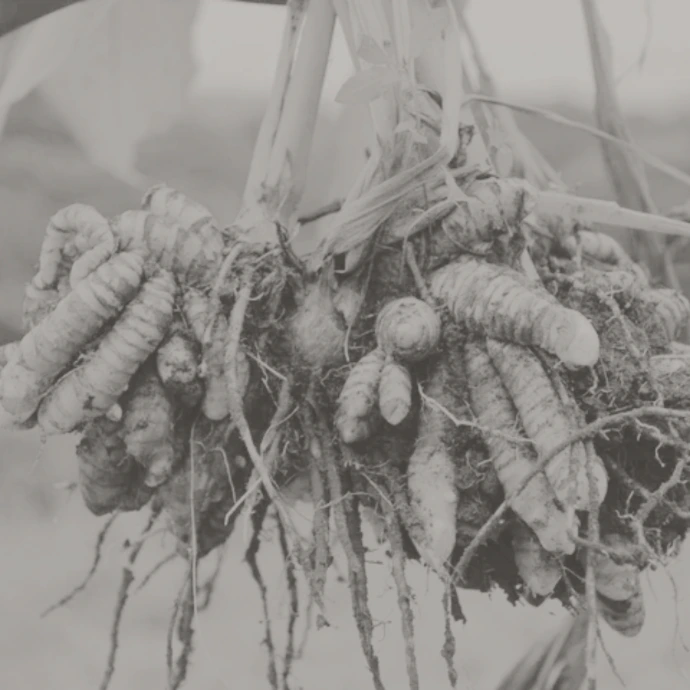
High Curcumin
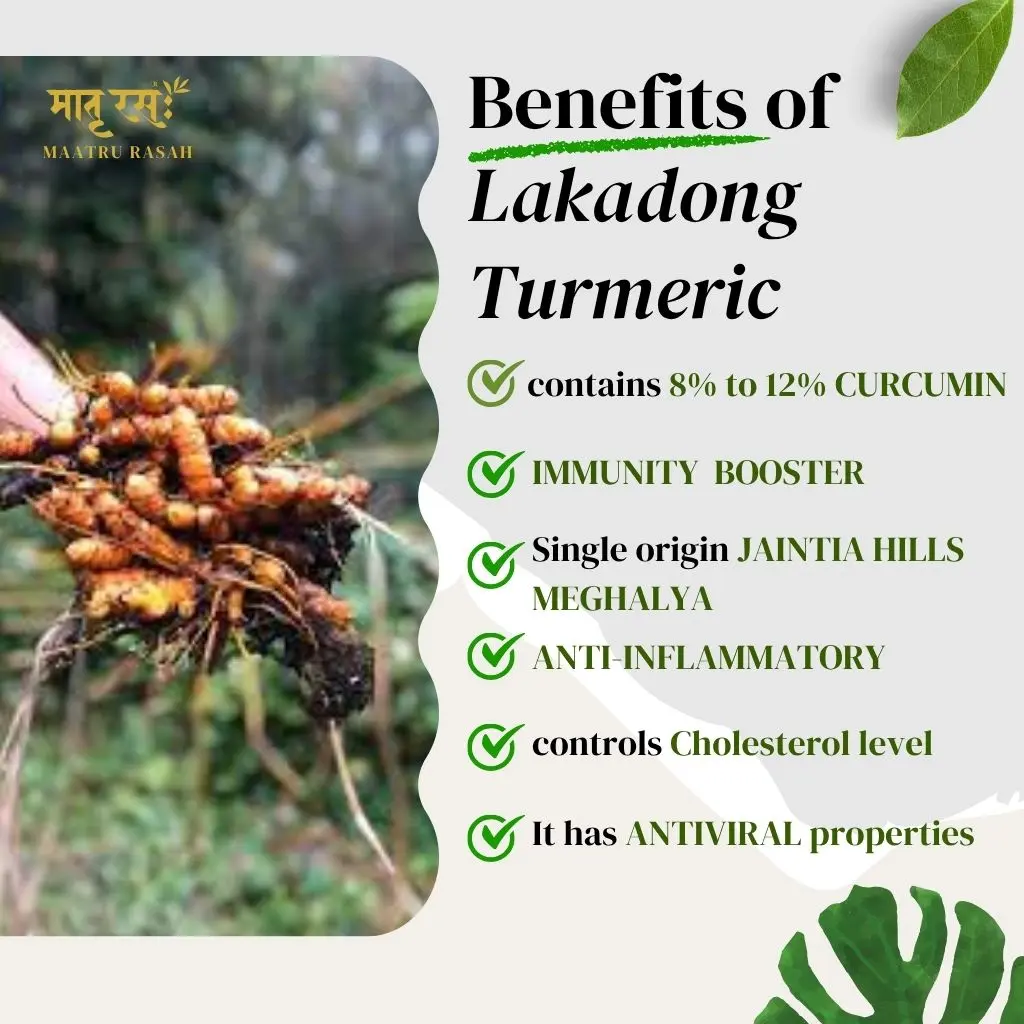
8% to 12% Level Curcumin

GI Tag Natural Product
Authenticity & Quality Product

Sun-Dried
Sun-dried for Natural Intensity

Tribally Sourced
Ethically Harvested by Tribes
Text
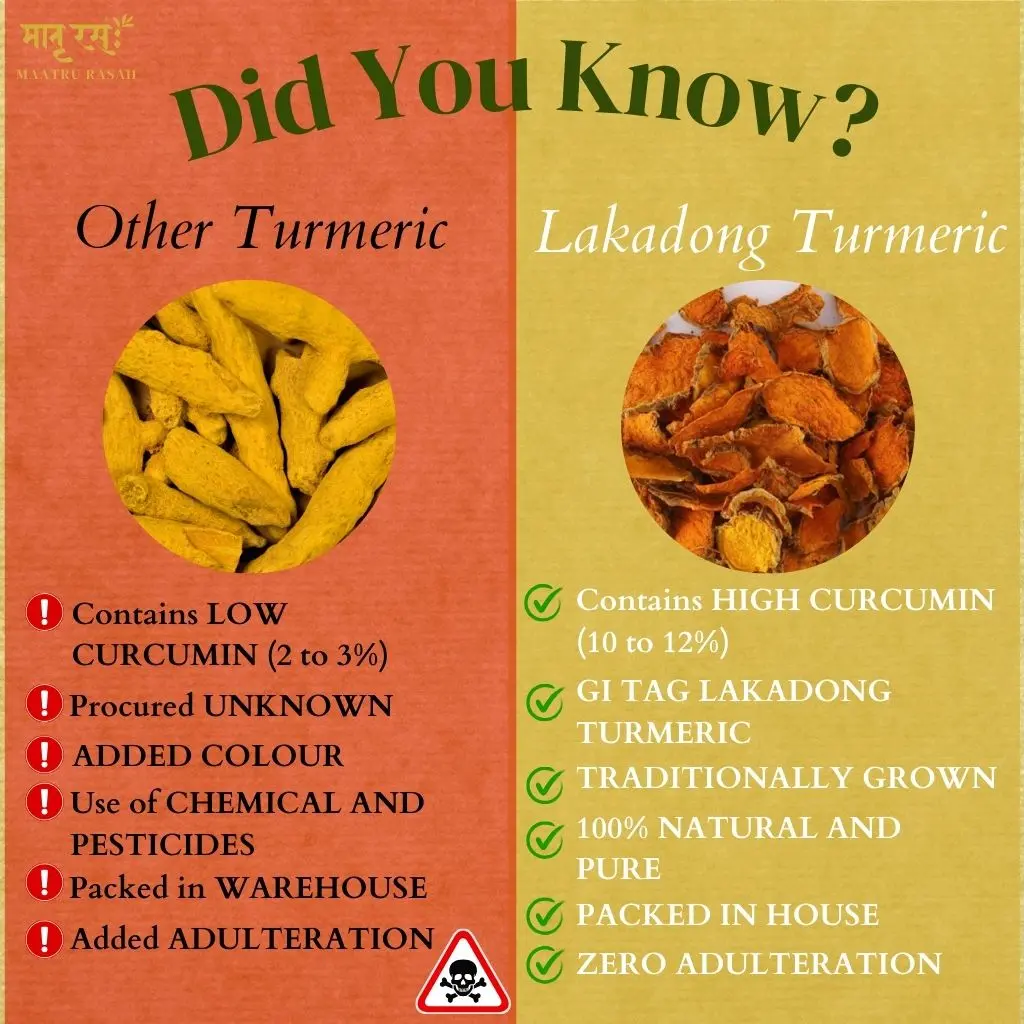
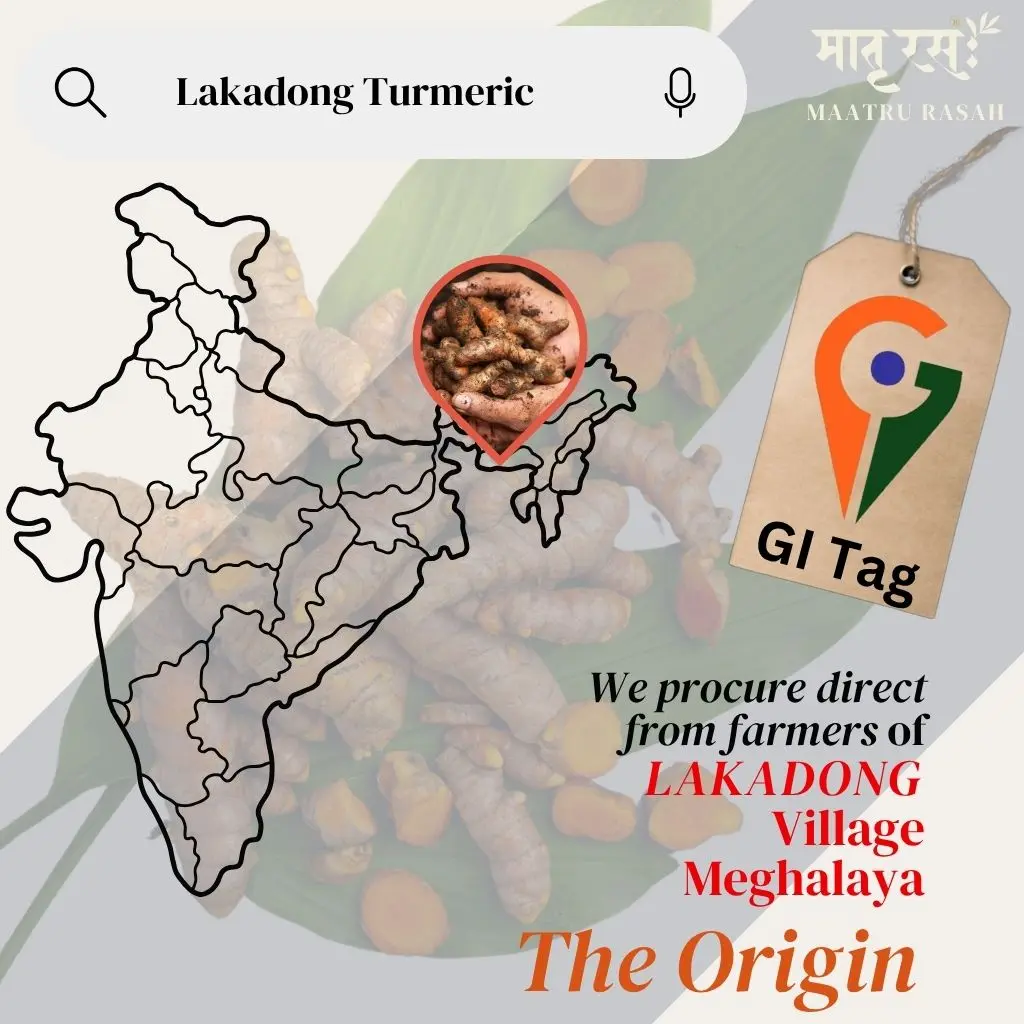
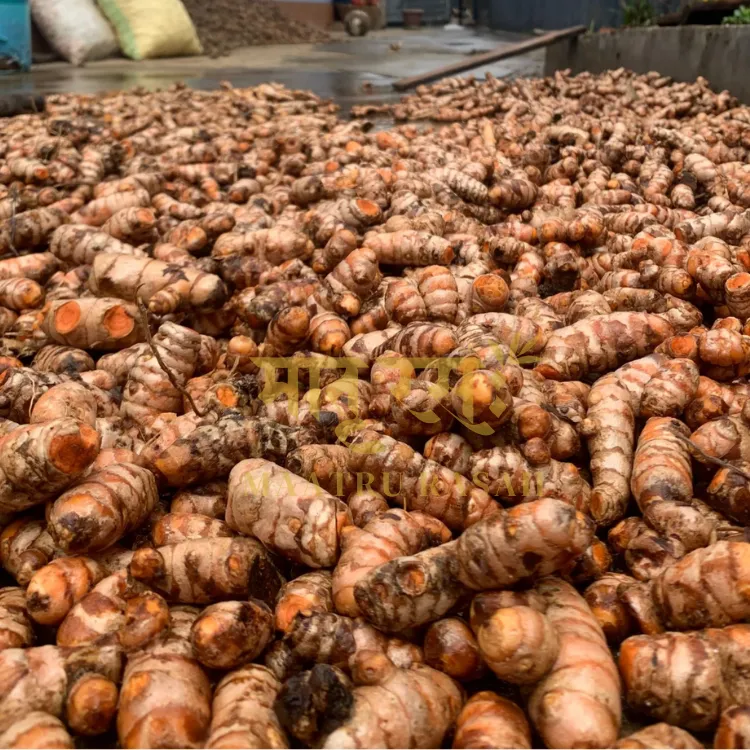
In the pristine Jaintia Hills of Meghalaya, nestled within the small village of Lakadong, grows what many health experts and Ayurvedic practitioners consider the world's most therapeutically potent turmeric. Unlike the common turmeric (haldi) found in typical Delhi NCR markets—which contains a modest 2-3% curcumin—Lakadong turmeric naturally delivers a staggering 8-12% curcumin content.
Curcumin is the golden-yellow bioactive compound responsible for turmeric's legendary anti-inflammatory, antioxidant, and healing properties. This means that every teaspoon of authentic Lakadong turmeric powder provides 3-4 times more therapeutic benefit than regular supermarket haldi.
Our Organic Golden Lakadong Turmeric Powder brings this Himalayan treasure directly to health-conscious families across Delhi, Gurgaon, Noida, and Greater NCR. This is not enhanced, fortified, or manipulated turmeric—it's nature's own creation, cultivated through centuries of indigenous knowledge, blessed by Meghalaya's mineral-rich soil, pristine air, and traditional farming wisdom.
For residents of Connaught Place, Hauz Khas, Vasant Vihar, DLF Cyber City, Sector 18 Noida, or anywhere in the National Capital Region seeking the highest quality turmeric for immunity, inflammation management, or culinary excellence—this is the gold standard.
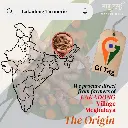
Lakadong turmeric holds the prestigious Geographical Indication (GI) tag, similar to Champagne or Darjeeling tea. This certification confirms that our turmeric originates exclusively from the Lakadong region of Meghalaya's West Jaintia Hills district—the only place in the world where turmeric naturally develops such exceptional curcumin concentration.
The GI tag is your guarantee against adulteration, ensuring you receive genuine Lakadong haldi, not common turmeric falsely marketed as "Lakadong" or artificially colored powder.
Several unique factors contribute to Lakadong turmeric's extraordinary potency:
Altitude: Grown at 600-1000 meters above sea level
Soil Composition: Naturally acidic, mineral-rich red loam soil
Climate: High rainfall (2500-3000mm annually), consistent humidity, and moderate temperatures
Water Quality: Fed by pristine mountain springs and natural forest streams
Air Purity: Completely pollution-free environment
Seed Selection: Heirloom varieties preserved by tribal communities for centuries
Zero Chemical Intervention: No synthetic fertilizers, pesticides, or growth accelerators
Companion Planting: Grown alongside indigenous forest vegetation
Natural Pest Management: Traditional methods using neem, forest herbs
Sustainable Harvesting: Respects plant cycles and soil regeneration
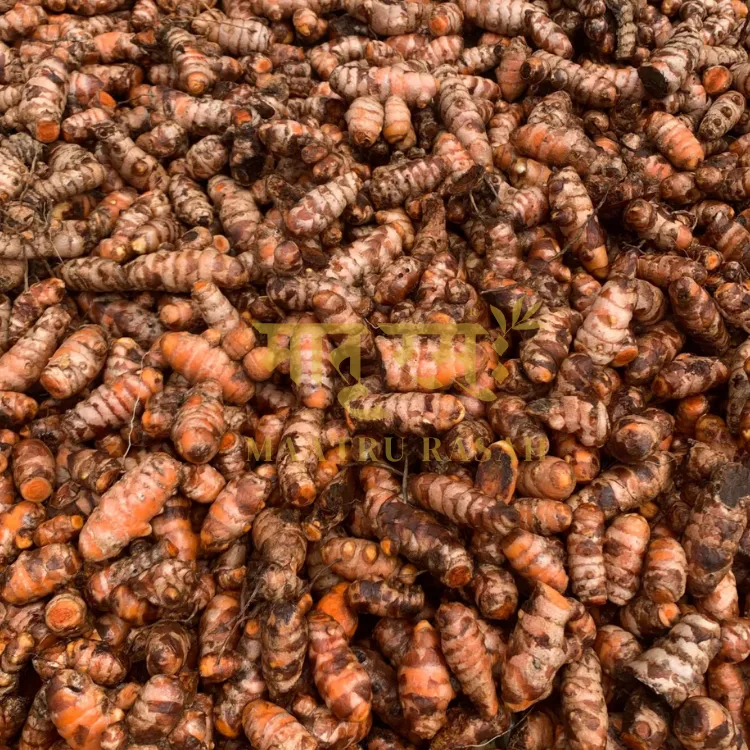
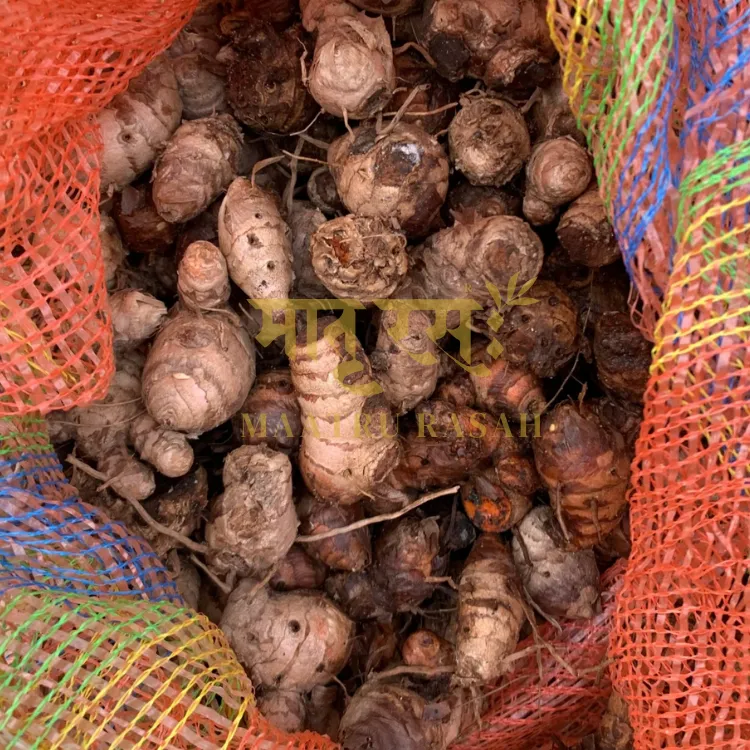
Hand Harvesting: Selective picking at optimal maturity (7-9 months)
Natural Curing: Traditional sun-drying on bamboo mats
Stone Grinding: Low-temperature grinding preserves volatile oils and curcuminoids
Small Batch Processing: Maintains quality control and nutrient integrity
These factors cannot be replicated in commercial farms across India, which explains why Lakadong turmeric remains unmatched in therapeutic potency.
The Classic Immunity Drink:
Heat 1 cup milk (dairy or plant-based: almond, oat, coconut)
Add ½-1 teaspoon Lakadong turmeric powder
Add pinch of black pepper (increases curcumin absorption by 2000%)
Add natural sweetener (honey, jaggery, dates)
Optional: cardamom, cinnamon, ginger for enhanced flavor
Best Timing: Before bed for restful sleep and overnight healing, or morning for immunity boost.
Delhi NCR Tip: Particularly beneficial during winter months and pollution peaks.
Potent Morning Ritual:
½ teaspoon Lakadong turmeric powder
½ teaspoon fresh ginger juice or Ing Makhir ginger powder
1 tablespoon lemon juice
Pinch black pepper
1 teaspoon honey
Mix with ¼ cup warm water
Benefits: Powerful anti-inflammatory kick-start, supports digestion, boosts immunity.
Indian Cuisine
Dal tadka: Add ½ teaspoon for color and health
Curries: Use as base spice for rich golden hue
Rice dishes: Turmeric pulao, biryani
Sabzis (vegetable dishes): Enhances flavor and nutrition
Modern Fusion
Smoothies: Blend with mango, pineapple, coconut milk
Salad dressings: Mix with olive oil, lemon, honey
Soups: Butternut squash, lentil, vegetable soups
Eggs: Scrambled eggs, omelets
Marinades: Chicken, fish, paneer tikka
Dosage Tip: Since Lakadong is 3-4x more potent, use ⅓ to ½ the amount you'd use with regular turmeric.
Classic Turmeric-Yogurt Mask:
1 teaspoon Lakadong turmeric powder
2 tablespoons plain yogurt
½ teaspoon honey
Optional: Few drops lemon juice (for oily skin)
Application: Apply to cleansed face, leave 10-15 minutes, rinse with lukewarm water. Use 1-2 times weekly.
Caution: May temporarily tint fair skin slightly yellow (fades within hours). Test on small area first.
Bride-to-Be Special: Traditional ubtan (beauty paste) used by Indian brides for glowing skin.
Traditional Antiseptic:
Mix small amount of Lakadong turmeric with water or coconut oil to form paste
Apply to minor cuts, scrapes, or bruises
Cover with clean bandage if needed
Traditional Use: Ayurvedic first-aid remedy due to antiseptic properties.
Gentle Cleansing Ritual:
Boil 2 cups water
Add ½ teaspoon turmeric, ½ teaspoon ginger, pinch black pepper
Simmer 5-10 minutes
Strain, add lemon and honey
Benefits: Supports liver function, aids digestion, anti-inflammatory.
Modern Urban Health Challenge: Delhi NCR residents face chronic inflammation from pollution, stress, processed foods, and sedentary lifestyles. Lakadong turmeric's high curcumin content offers natural anti-inflammatory support.
Benefits:
Reduces joint pain and stiffness (particularly beneficial for arthritis sufferers)
Supports post-workout muscle recovery for fitness enthusiasts
May help manage inflammatory digestive conditions
Supports healthy inflammatory response throughout the body
How to Use: Daily golden milk (haldi doodh) or turmeric tea with black pepper to enhance absorption.
Seasonal & Environmental Factors: Delhi's extreme weather changes, air quality issues, and high population density challenge immune systems year-round.
Benefits:
Strengthens innate and adaptive immunity
Antimicrobial properties support defense against pathogens
Antioxidants protect immune cells from oxidative damage
Traditional Ayurvedic immune tonic (Rasayana)
How to Use: Immunity-boosting drink with honey, ginger, and black pepper; add to soups and broths.
Traditional Ayurvedic Use: Turmeric has been used for millennia to support digestive fire (Agni) and gut health.
Benefits:
Stimulates bile production, aiding fat digestion
Supports healthy gut microbiome
May help manage digestive discomfort
Traditional remedy for occasional indigestion
How to Use: Add pinch to meals, particularly with fatty or heavy foods; turmeric-ginger tea after meals.
Topical & Internal Benefits: Curcumin's anti-inflammatory and antioxidant properties benefit skin both ways.
Benefits:
Reduces inflammation-related skin issues (traditional use for acne, eczema)
Brightens complexion and evens skin tone
Antioxidant protection against environmental damage
Traditional ingredient in bridal beauty preparations
How to Use: Face masks with yogurt/honey; internal consumption supports skin from within.
Emerging Research: Studies suggest curcumin may support brain health and cognitive function.
Potential Benefits:
May support healthy brain aging
Antioxidant protection for brain cells
Traditional use in Ayurvedic brain tonics (Medhya Rasayana)
Supports healthy mood regulation
How to Use: Daily golden milk; combine with healthy fats for better absorption.
Heart Health Support: Curcumin's effects on endothelial function and inflammation benefit cardiovascular system.
Benefits:
Supports healthy blood vessel function
Antioxidant protection for cardiovascular tissues
May help maintain healthy cholesterol levels (in conjunction with healthy lifestyle)
Traditional Ayurvedic heart tonic
How to Use: Regular dietary inclusion; combine with heart-healthy foods like nuts, seeds.
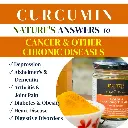
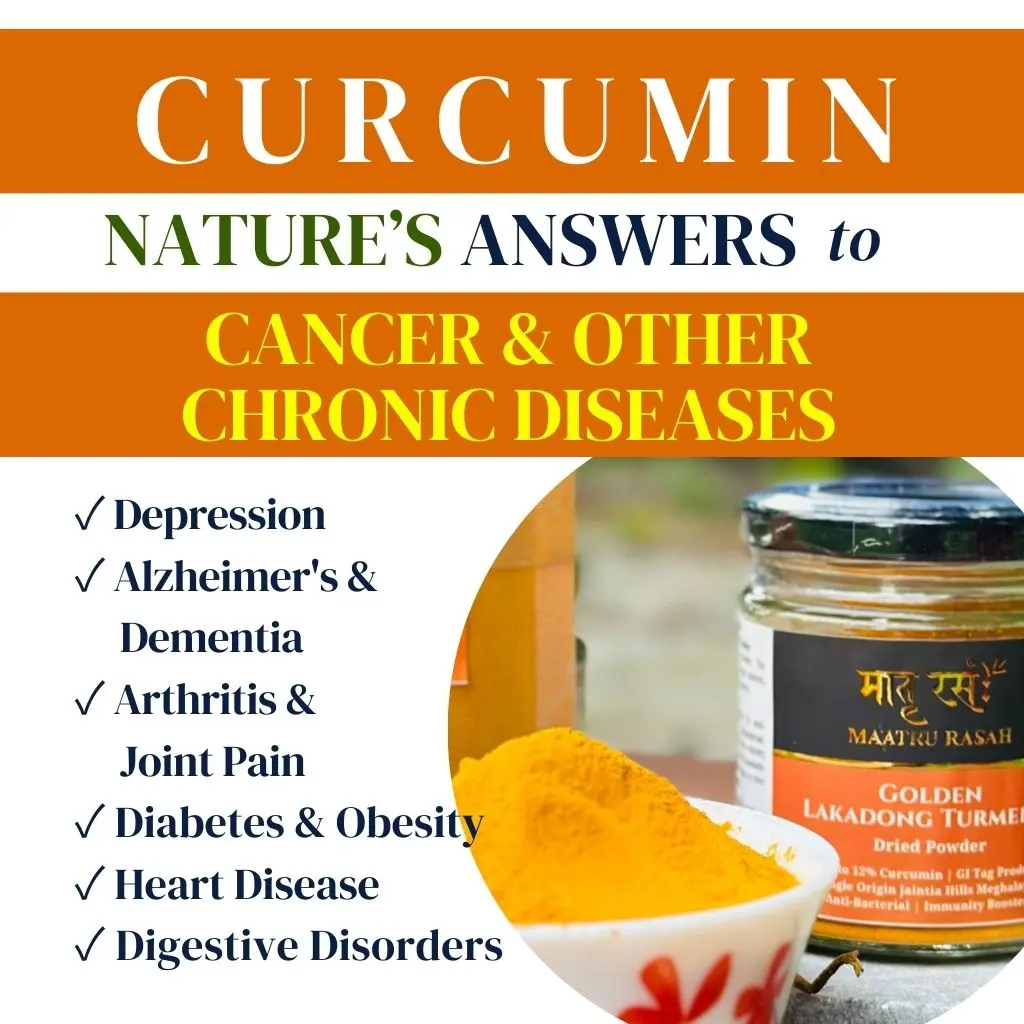
Curcumin (diferuloylmethane) is the primary bioactive compound in turmeric, extensively studied in over 12,000+ peer-reviewed scientific papers. Research demonstrates curcumin's remarkable properties:
Anti-Inflammatory Powerhouse
Inhibits NF-κB, a molecule that activates inflammatory genes, Comparable to pharmaceutical anti-inflammatory drugs without side effects, Beneficial for arthritis, joint pain, and chronic inflammation conditions
Potent Antioxidant
Neutralizes free radicals due to chemical structure, Stimulates body's own antioxidant enzymes, Protects cells from oxidative stress and premature aging
Brain Health Support
Crosses blood-brain barrier, May increase Brain-Derived Neurotrophic Factor (BDNF), Potential protective effects against neurodegenerative conditions
Cardiovascular Benefits
Improves endothelial function (lining of blood vessels), Reduces oxidation and inflammation in cardiovascular system, Supports healthy cholesterol levels
Immunity Modulation
Strengthens immune response, Possesses antimicrobial and antiviral properties, Supports body's natural defense mechanisms
When regular turmeric contains 2-3% curcumin, you need to consume significantly more to achieve therapeutic dosages. With Lakadong's 8-12% concentration:
Higher Efficacy: Smaller quantities deliver powerful benefits
Better Absorption: Rich curcuminoid profile enhances bioavailability (especially when paired with black pepper)
Cost-Effective: Though premium-priced, therapeutic value per gram is superior
Culinary Excellence: Deep golden color and robust flavor with minimal quantity
Despite its powerful benefits, curcumin has one limitation: relatively poor natural absorption in the digestive system. However, traditional Ayurvedic wisdom and modern science both offer solutions:
The Science: Black pepper contains piperine, which increases curcumin absorption by up to 2,000% by:
Inhibiting enzymes that metabolize curcumin
Increasing intestinal permeability (allowing more absorption)
Slowing curcumin breakdown in the liver
Practical Application: Always combine turmeric with a pinch of freshly ground black pepper. This is why traditional golden milk recipes include pepper.
The Science: Curcumin is fat-soluble, meaning it dissolves and is better absorbed in the presence of fats.
Practical Application:
Consume with ghee, coconut oil, or olive oil
Prepare golden milk with full-fat milk or add a teaspoon of coconut oil
Add to dishes cooked with healthy fats
The Science: Gentle heating increases curcumin's solubility and bioavailability.
Practical Application:
Simmer turmeric in warm milk or water (don't boil excessively)
Sauté briefly in ghee before adding to dishes
Add to warm soups and cooked meals
Botanical Name: Curcuma longa (Lakadong variety)
Origin: Lakadong Village, West Jaintia Hills District, Meghalaya, India
Curcumin Content: 8-12% (naturally occurring, verified by lab testing)
Form: Fine powder, 100-120 mesh size
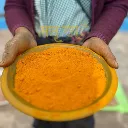
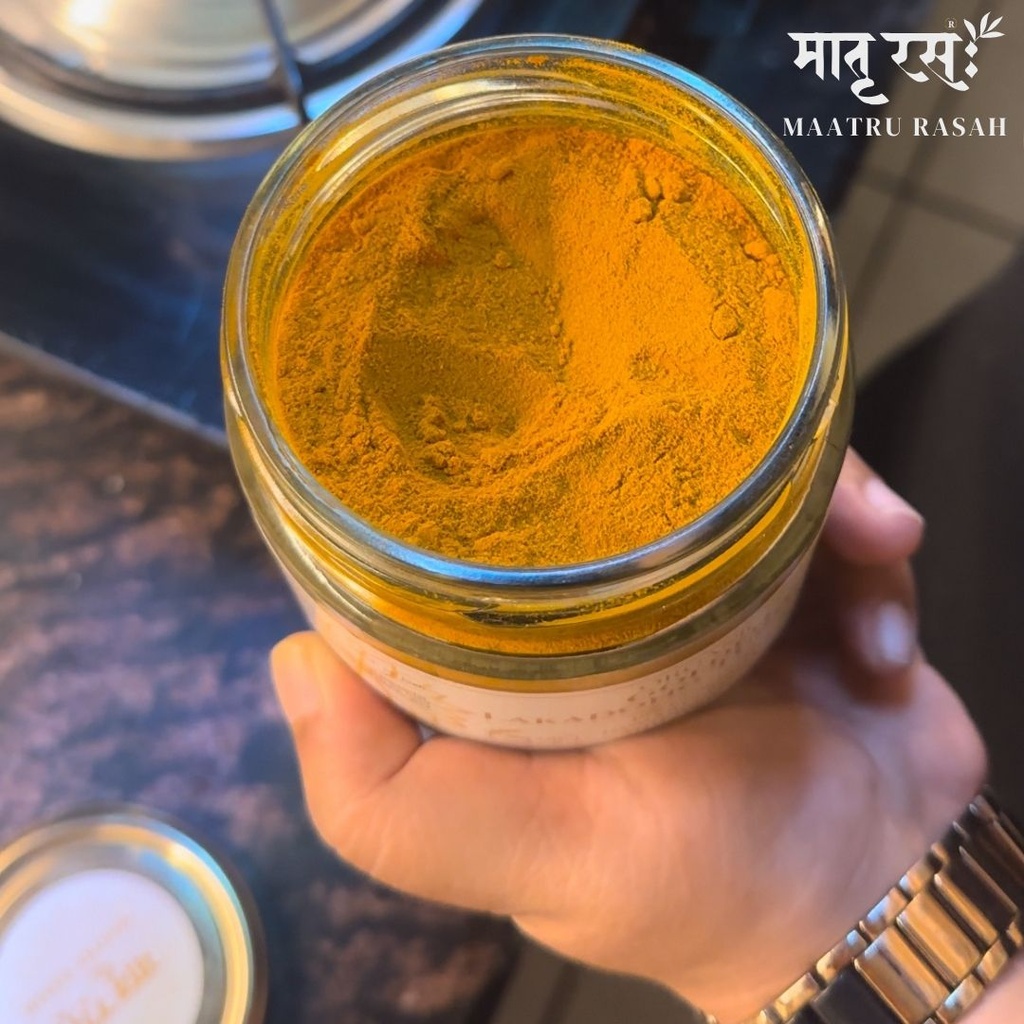
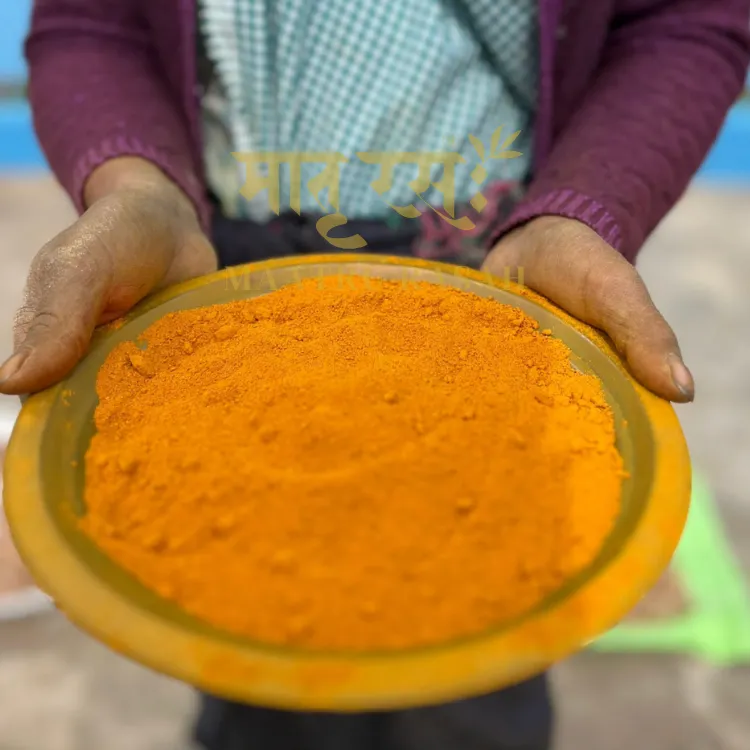
Color: Deep golden-orange (natural, no artificial coloring)
Aroma: Rich, earthy, slightly peppery
Taste: Warm, slightly bitter, pleasantly pungent
Cultivation: Certified organic methods (no chemical fertilizers or pesticides)
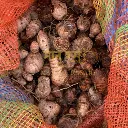
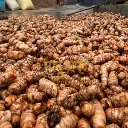
Processing: Hand-harvested, sun-dried, stone-ground
Purity: 100% pure Lakadong turmeric powder—no fillers, no additives, no preservatives
Certifications: GI Tagged, FSSAI Licensed
Curcumin: 8,000-12,000mg (8-12%)
Essential Oils: 3-5%
Dietary Fiber: 21g
Protein: 8g
Iron: 55mg (305% DV)
Manganese: 20mg (869% DV)
Vitamin B6: 1.8mg (90% DV)
Potassium: 2,500mg (71% DV)
Note: Lakadong turmeric's superior mineral content reflects Meghalaya's mineral-rich soil.
Delhi NCR markets, unfortunately, are flooded with adulterated turmeric:
Common Adulterations:
Lead Chromate: Added for bright yellow color (highly toxic)
Metanil Yellow: Synthetic dye (carcinogenic)
Chalk Powder/Starch: Added for weight (reduces curcumin content)
Common Turmeric: Labeled as "Lakadong" without authenticity
Health Risks: Toxic additives, reduced therapeutic benefits, allergic reactions, heavy metal contamination.
1. GI Tag Certification Every batch comes from GI-tagged Lakadong region with verifiable documentation.
2. Third-Party Lab Testing Regular testing by certified food laboratories confirms:
Curcumin content (8-12%), Zero adulterants or synthetic colors, Heavy metal safety limits, Microbial safety standards
3. Direct Sourcing Documentation We can trace every batch to specific farmer cooperatives in Lakadong village.
4. Visual & Sensory Markers
Color: Deep golden-orange (not bright artificial yellow)
Aroma: Rich, earthy, pungent (not muted or chemical)
Taste: Slightly bitter, warming (not bland or chalky)
Water Test: When mixed with water, doesn't leave residue or separate unnaturally
5. Transparent Pricing Genuine Lakadong turmeric cannot be sold at rock-bottom prices. Our pricing reflects fair farmer compensation and quality processing
We work directly with indigenous farming communities in Lakadong village—primarily Pnar tribal farmers who have cultivated this golden rhizome for generations. This direct relationship ensures:
Fair Trade Economics
Farmers receive 30-40% above market rates
No exploitative middlemen reducing farmer income
Sustainable livelihoods for remote communities
Investment in local education and healthcare initiatives
Quality Assurance
We personally visit farms during cultivation and harvest seasons
Direct oversight of processing methods
Traceability from specific farm plots to your package
Building long-term relationships that incentivize quality over quantity
Cultural Preservation
Supporting traditional knowledge systems
Encouraging younger generations to continue heritage farming
Preventing migration from tribal areas due to economic pressure
Preserving biodiversity through indigenous agricultural practices
Stage 1: Cultivation (9 Months) Organic cultivation following traditional methods, no synthetic inputs, natural companion planting with forest biodiversity.
Stage 2: Harvesting (January-February) Mature rhizomes hand-harvested when curcumin concentration peaks, selective picking preserving soil health.
Stage 3: Curing (2-3 Weeks) Sun-dried on elevated bamboo platforms allowing air circulation, natural moisture reduction preventing mold, retaining essential oils and volatile compounds.
Stage 4: Grinding (Small Batches) Stone-ground at low temperatures to prevent heat damage, maintaining deep golden color and aroma, preserving maximum curcumin integrity.
Stage 5: Testing & Packaging Third-party lab testing confirming curcumin content (8-12%), zero contamination or adulterants, food-grade, airtight, light-protective packaging.
Stage 6: Delhi NCR Distribution Temperature-controlled storage and transport, fresh batches rotated regularly, delivered within days of order placement.
Maatru Rasah represents a new paradigm in Indian spice sourcing—where luxury doesn't mean imported ingredients, but rather the finest indigenous superfoods sourced with integrity and delivered with care.
Single-Origin Purity: Only Lakadong turmeric, never blended with common varieties
Artisanal Quality: Small-batch stone-grinding preserves nutrients
Ethical Sourcing: Fair compensation for tribal farmers
Zero Compromise: No preservatives, no additives, no shortcuts
Fresh Rotation: Regular new batches ensure freshness
Customer Education: We believe informed customers make healthier choices
Our customers include:
Yoga practitioners and Ayurveda enthusiasts seeking authentic ingredients
Health-conscious families prioritizing clean eating
Fitness professionals managing inflammation naturally
New mothers seeking traditional postpartum healing (haldi doodh tradition)
Individuals with chronic inflammatory conditions
Home chefs elevating culinary quality
Natural beauty enthusiasts using turmeric for skincare
Container: Keep in original airtight, light-protective packaging; Transfer to dark glass jar if opened (avoid clear containers); Never use wet spoon (moisture causes clumping and degradation)
Location: Cool, dry place away from stove heat; Avoid direct sunlight (UV degrades curcumin), Away from moisture sources (bathroom, near sink), Room temperature acceptable in Delhi NCR winters, Refrigeration not necessary but acceptable
Temperature: Ideal: 15-25°C, Avoid temperature fluctuations, Keep away from heat sources
Unopened: 24 months from packaging date when stored optimally
Opened: 12-18 months with proper storage (airtight, cool, dark, dry)
Curcumin Degradation Factors: Light exposure (keep in dark), Heat exposure (avoid cooking area storage), Moisture (use dry spoon always), Air oxidation (keep sealed)
Signs of Freshness: Deep golden-orange color; strong, pungent aroma; Fine, free-flowing powder (no clumps); Vibrant color when mixed with water or milk
Signs of Degradation: Faded, pale color; Muted or no aroma; Clumping or moisture content; Loss of flavor potency
Authentic Lakadong turmeric commands higher prices than common turmeric for legitimate reasons:
Farmer Economics: Small-scale cultivation (limited production capacity), Labor-intensive hand-processing, Organic methods (lower yields, no chemical boost), Fair trade premium ensuring sustainable livelihoods
Processing Quality: Hand-harvesting at optimal maturity, Traditional sun-drying (slow but preserves nutrients), Stone-grinding in small batches, Quality testing and certification
Therapeutic Value:
3-4x higher curcumin content means therapeutic effects at lower doses, One teaspoon Lakadong = 3-4 teaspoons regular turmeric in benefits, Cost per therapeutic dose is actually comparable or better
Geographic Exclusivity: Only grows in specific Meghalaya region, Cannot be replicated elsewhere, GI protection limits supply
Delhi NCR Market Comparison:
Regular turmeric: ₹200-400/kg (2-3% curcumin, often adulterated), Claimed "Lakadong" (unverified): ₹600-1,000/kg (authenticity questionable), Verified Lakadong turmeric: ₹1,200-2,000/kg (certified, tested, traceable)
Our Pricing Philosophy: We price to ensure farmer sustainability, cover quality processing, and provide genuine value—not to maximize profit margins.
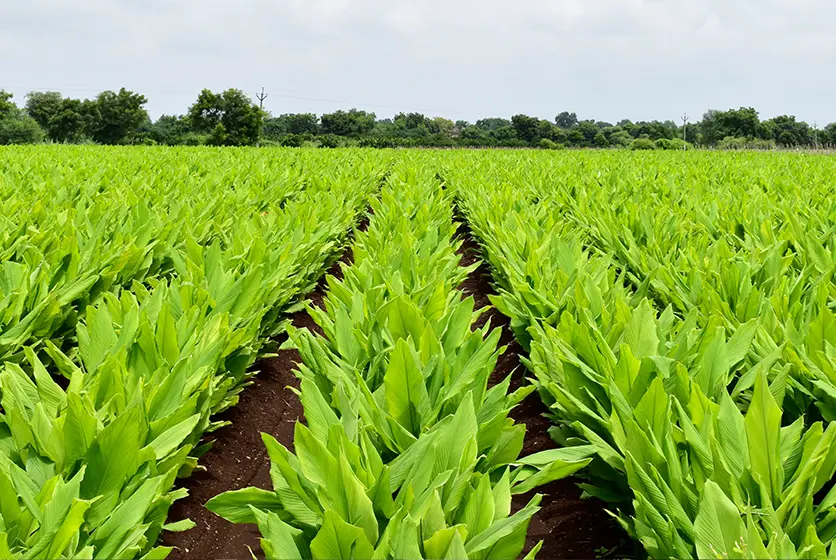
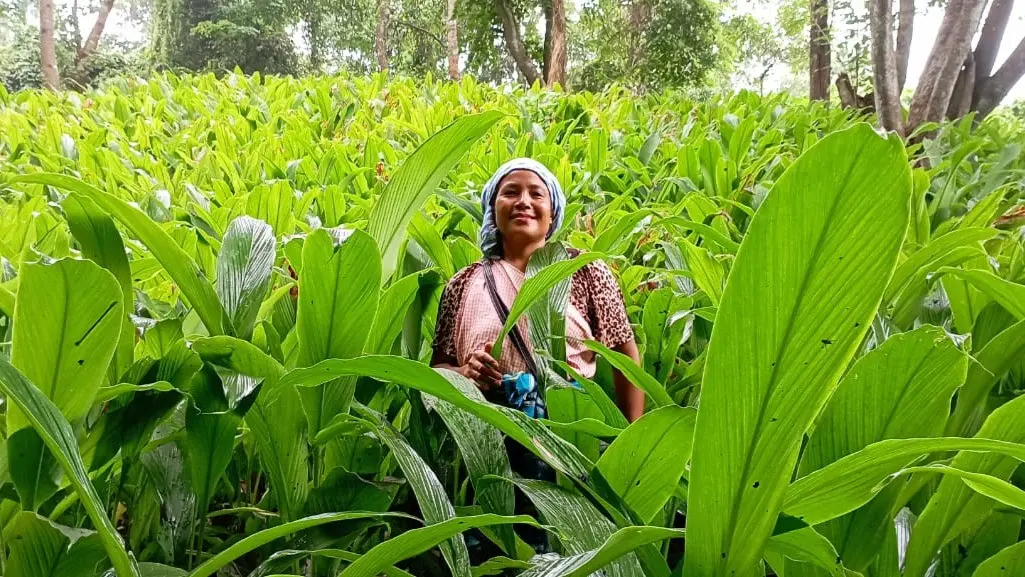
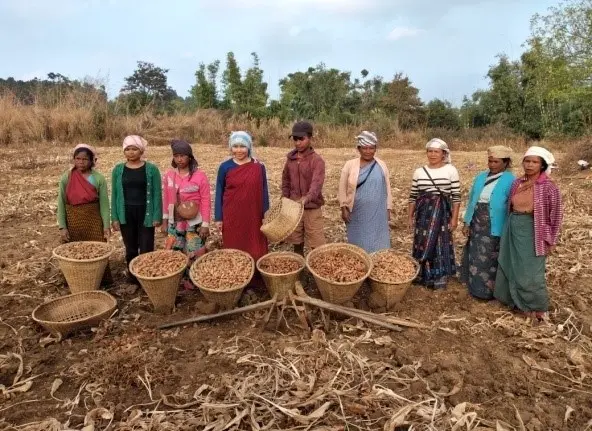
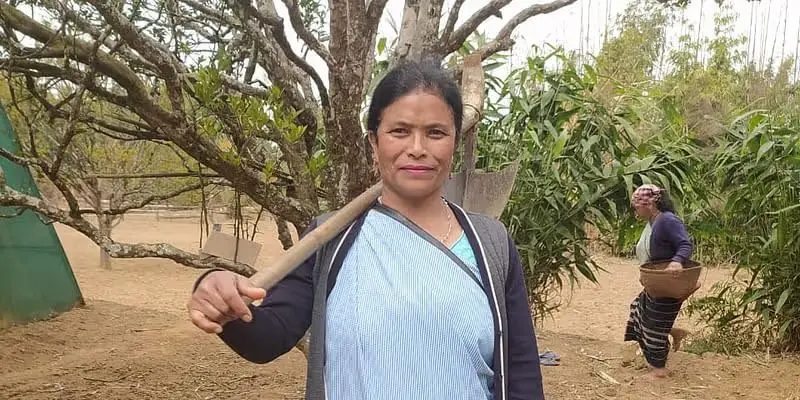
Our Lakadong Turmeric is ethically procured from small-scale tribal farmers in Meghalaya, known for its unmatched purity and high curcumin content.
Each batch supports local livelihoods and brings you nature’s finest, straight from the roots.
Here are some common questions about our premium Product Golden Lakadong Turmeric.

Lakadong turmeric is a specific variety of Curcuma longa cultivated exclusively in Lakadong village (West Jaintia Hills, Meghalaya). It's renowned as the world's most potent turmeric because it naturally contains 8-12% curcumin—3-4 times higher than common turmeric's 2-3%. This exceptional curcumin concentration results from Meghalaya's unique terroir: mineral-rich soil, high rainfall, pristine air, and centuries of indigenous cultivation practices. The variety holds a Geographical Indication (GI) tag, confirming its exclusive origin and superior quality. This natural potency—not achieved through any enhancement—makes it the gold standard for both therapeutic and culinary applications.
Yes, Lakadong turmeric is safe and beneficial for daily use. Due to its high curcumin content:
Recommended Dosages:
General Wellness: ½-1 teaspoon daily (2.5-5g)
Therapeutic Support: 1-2 teaspoons daily (5-10g), divided into 2 servings
Golden Milk: ½-1 teaspoon per cup
Cooking: Use ⅓ less than regular turmeric due to higher potency
Important: Since Lakadong is 3-4x more potent, you need significantly less than regular turmeric for the same benefits. Always combine with black pepper and healthy fats for optimal absorption. Consult healthcare provider if pregnant, nursing, taking medications, or have specific health conditions (especially if taking blood thinners).
Absolutely! Lakadong turmeric's versatility is one of its greatest benefits:
Culinary Use:
Curries, dals, rice dishes (use ⅓ normal quantity due to potency)
Soups, stews, marinades
Smoothies, salad dressings
Baking (breads, muffins for golden color)
Therapeutic Use:
Golden milk (haldi doodh)
Immunity shots with ginger, lemon, honey
Detox teas
Supplements (capsules filled with powder)
Topical Use:
Face masks for skin brightening
Antiseptic paste for minor wounds
Traditional beauty treatments (ubtan)
Note: Heat doesn't significantly reduce curcumin content in home cooking (studies show minimal degradation at typical cooking temperatures). However, avoid excessively long, high-heat cooking.
Anti-Inflammatory Mechanism: Curcumin inhibits NF-κB, a molecule that travels into cell nuclei and activates inflammatory genes. By blocking this pathway, curcumin provides potent anti-inflammatory effects comparable to drugs like ibuprofen but without side effects. Higher curcumin content (8-12% in Lakadong) means stronger anti-inflammatory action—beneficial for arthritis, joint pain, post-workout recovery, and chronic inflammatory conditions.
Immunity Support:
Antioxidant Properties: Neutralizes free radicals and stimulates body's antioxidant enzymes
Antimicrobial Effects: Research shows activity against various bacteria, viruses, and fungi
Immune Modulation: Helps regulate immune response (neither over- nor under-stimulating)
Gut Health: Supports healthy microbiome, where 70% of immunity resides
Delhi NCR Relevance: Particularly valuable given pollution-related inflammation, seasonal illness exposure, and urban stress factors.
Practical Implication: One teaspoon Lakadong turmeric provides the curcumin equivalent of 3-4 teaspoons regular turmeric—making it actually cost-effective for therapeutic use despite higher price per kilogram.
Key Differences:
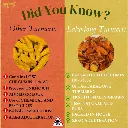
| Aspect | Regular Turmeric | Lakadong Turmeric |
|---|---|---|
| Curcumin Content | 2-3% | 8-12% |
| Origin | Various regions | Exclusive to Lakadong, Meghalaya |
| Certification | Usually none | GI-Tagged |
| Cultivation | Often commercial farms, chemical inputs | Organic, traditional tribal farming |
| Processing | Machine-processed, high heat | Hand-processed, sun-dried, stone-ground |
| Adulteration Risk | Very high in markets | Lower with certified sellers |
| Therapeutic Potency | Moderate | 3-4x higher |
| Price | ₹200-400/kg | ₹1,200-2,000/kg |
| Color | Light yellow to orange | Deep golden-orange |
| Aroma | Mild | Strong, pungent |
Culinary Amounts: Small quantities used in normal cooking are generally considered safe during pregnancy and breastfeeding.
Therapeutic/Supplemental Doses
Traditional Use: In India, turmeric (especially in golden milk) has been used postpartum for centuries to support healing, lactation, and immunity. However, modern medical guidance should be followed.
Recommendation: Always discuss with your healthcare provider before using therapeutic doses during pregnancy or breastfeeding.
Yes, turmeric is safe for children and traditionally used in Indian households:
Age-Appropriate Dosing:
Benefits for Kids:
Preparation Tips: Golden milk with honey (for kids over 1 year), added to khichdi, soups, or smoothies for palatability.
Topical Use: Traditional remedy for minor scrapes (antiseptic properties).
Teeth Staining:
Here at Maatru Rasah, we want to provide the best quality spice for you. Our Lakadong Turmeric is sourced from sustainable sources. It is handpicked and minimally processed for the best quality with a natural vibrant colour and flavour.
| Weight | 50g in Pouch, 50g in Glass Jar |
These other products might interest you