Where this recipe comes from
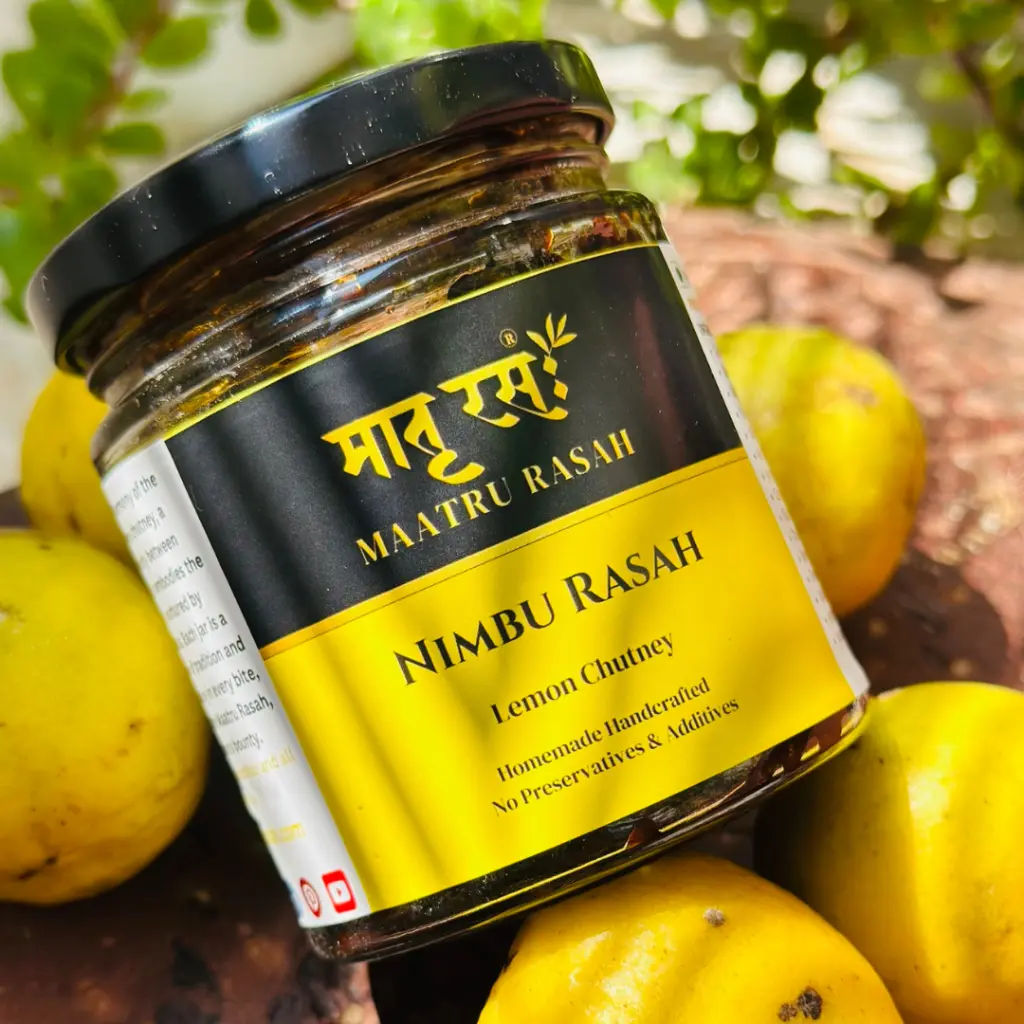
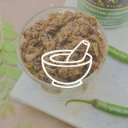
The Agarwal family kitchen in Katra, an old quarter of Prayagraj, has cooked chutneys since 1857. The lemon chutney was a year-round staple — North Indian households kept it on the table the way South Indian households keep podi.
Most home recipes pushed the sugar to balance the lemon's tartness. Ours did not. The family kitchen settled the ratio at a place where the lemon stays in the front and the jaggery sits behind it, raising the spice depth without softening the citrus.
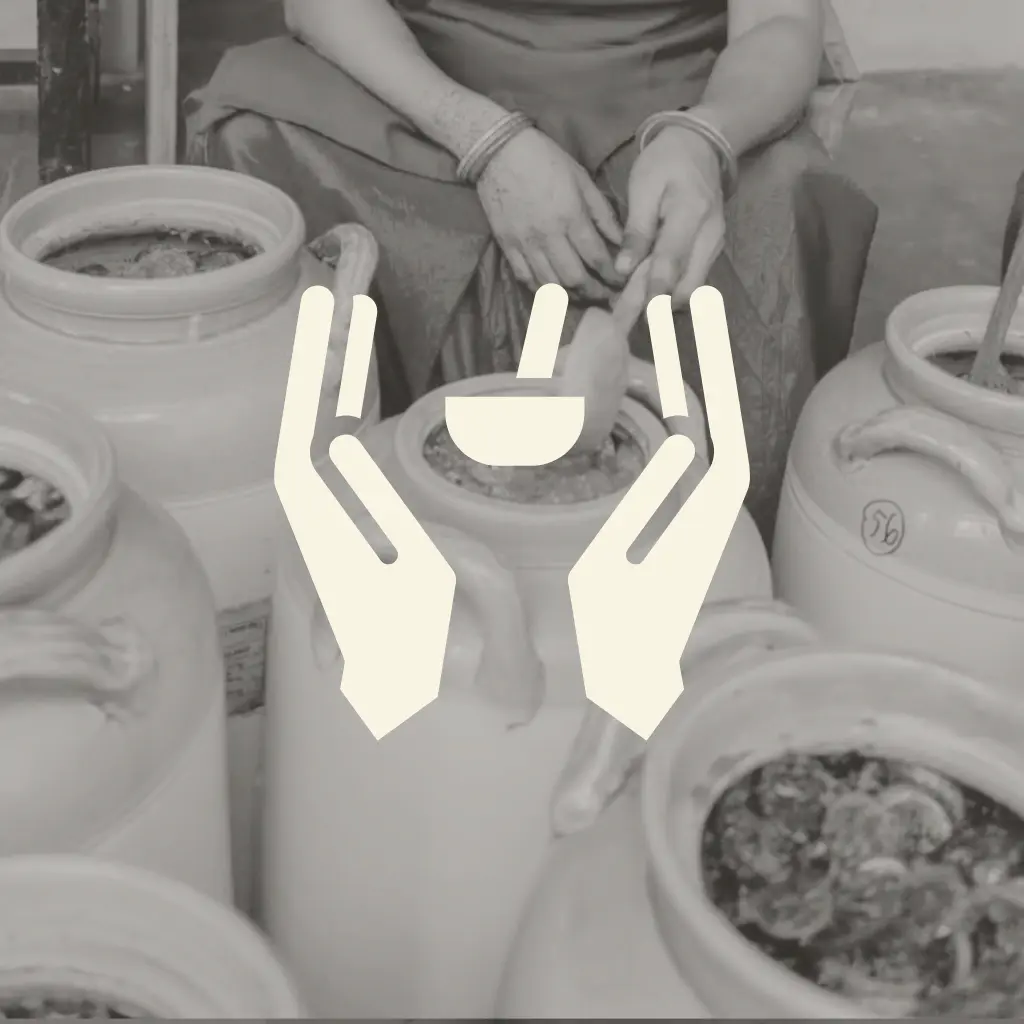
The method is cooking, not sun-curing. The paste is reduced slowly over a low flame until the lemons surrender their water and the jaggery integrates. Time and heat do the work that salt and sun do for our achaars.
The Maatru Rasah brand was incorporated in 2013 by Dr. (CS) Puja Shree Agarwal. Every jar today is made in our Delhi NCR kitchen, in the proportions Uma learned from her elders.
Read the full kitchen story →
How to enjoy Nimbu Rasah
A small spoonful at a time. The chutney is concentrated; a teaspoon does the work of a tablespoon.
- With paratha or roti, as a sweet-tangy side that holds against rich breads.
- Alongside snacks — samosa, pakora, mathri — the lemon cuts through fried weight.
- With dal-chawal, one teaspoon adds depth without overpowering the plate.
- As a topping on toast — for a quick breakfast bite when the morning needs something brighter.
- Inside a sandwich, as a spread alternative to ketchup or mayo.
- In marinades for paneer or vegetables — the lemon-jaggery-spice combination caramelises beautifully under heat.
Storage and shelf life
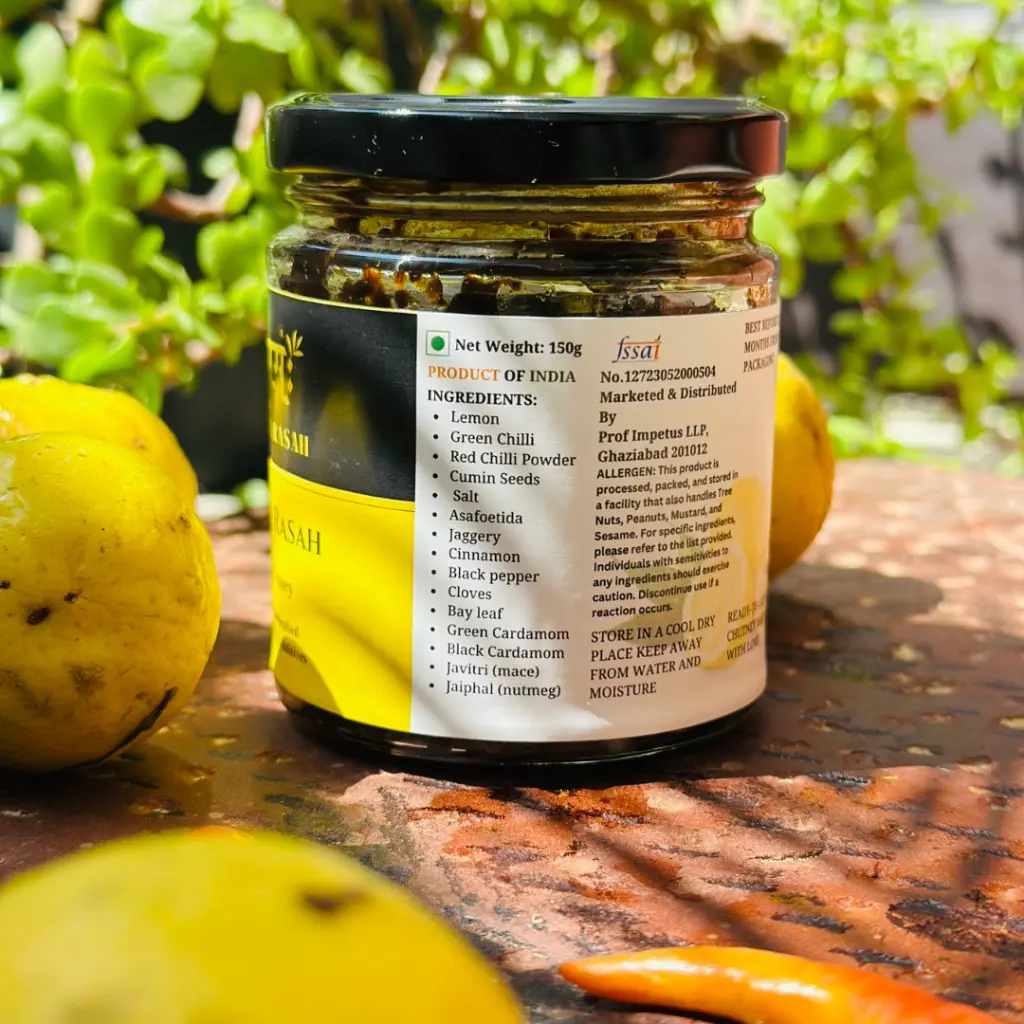
Best before 12 months from the date of packaging. Best before 6 months after opening. Cool, dry place, away from direct sunlight. Refrigeration is recommended in Indian summer if your kitchen runs hot — cooked chutney is more heat-sensitive than oil-based achaar.
Use a dry spoon every time. Wipe the lid before closing. The jaggery in the chutney carries part of the preservation; moisture from a wet spoon dilutes that protection.
Properly stored, the chutney can keep beyond the label window. The number on the jar is a consumer-care recommendation.